


This show has been mentioned multiple times by Silicon Valley tech leaders, including Sam Altman, Saining Xie, and James Campbell of OpenAI, and it is highly rated among those building at the frontier of AI.
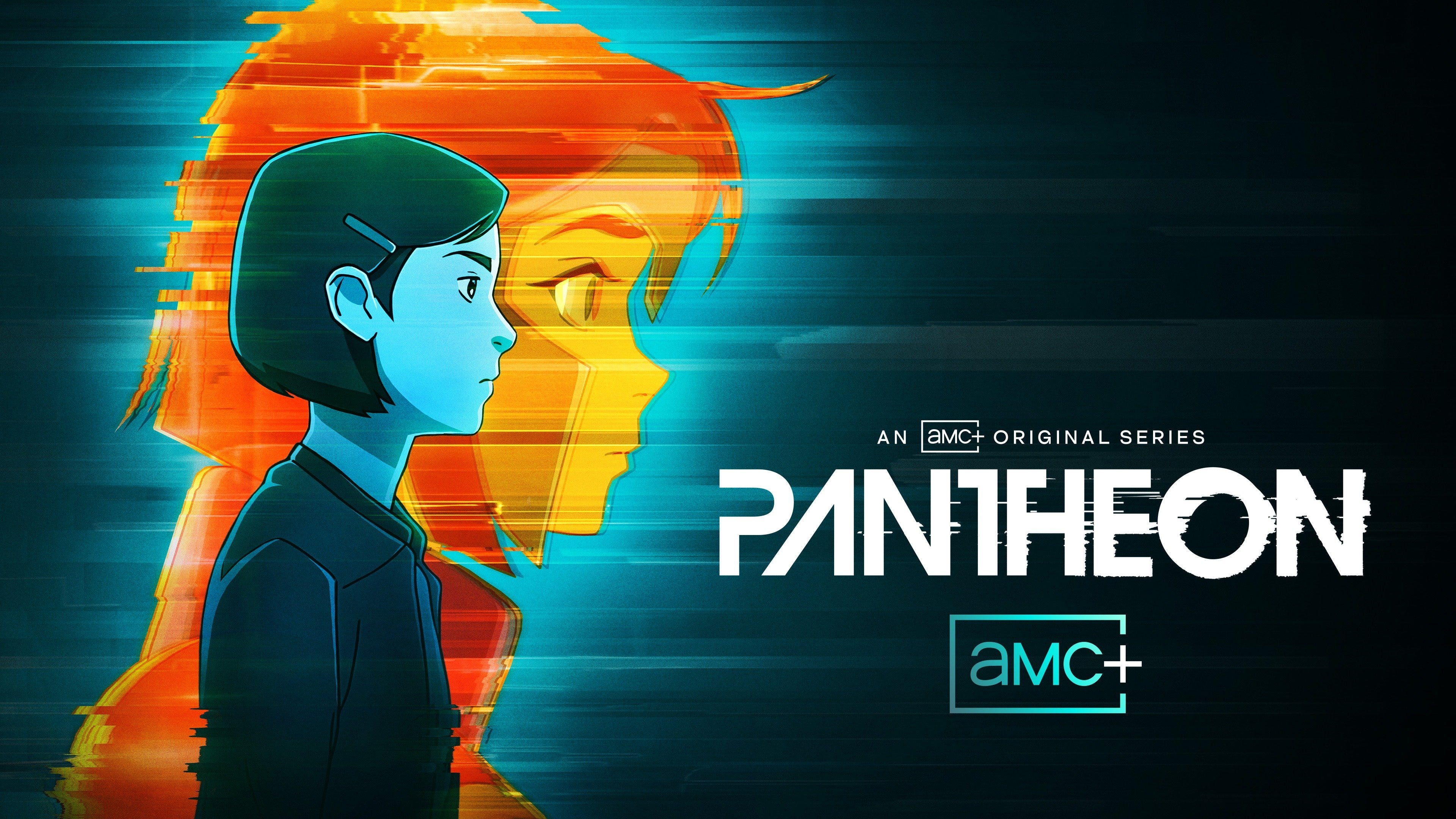
I recently finished watching Pantheon, AMC’s animated sci-fi series, and I haven’t been able to stop thinking about it. On the surface, it’s a story about uploaded human intelligence, rogue AI, and geopolitical conflict. But underneath, it’s one of the most honest and quietly philosophical explorations of what it means to be human that I’ve encountered in a long time. And it arrived at exactly the right moment.
Memory as Identity
The first thing that struck me was how central memory is to the show’s entire premise. The uploaded intelligences, the UIs, are defined almost entirely by their memories. The characters constantly return to the question of backup: if your memories can be preserved, transferred, and restored, does that constitute a person?
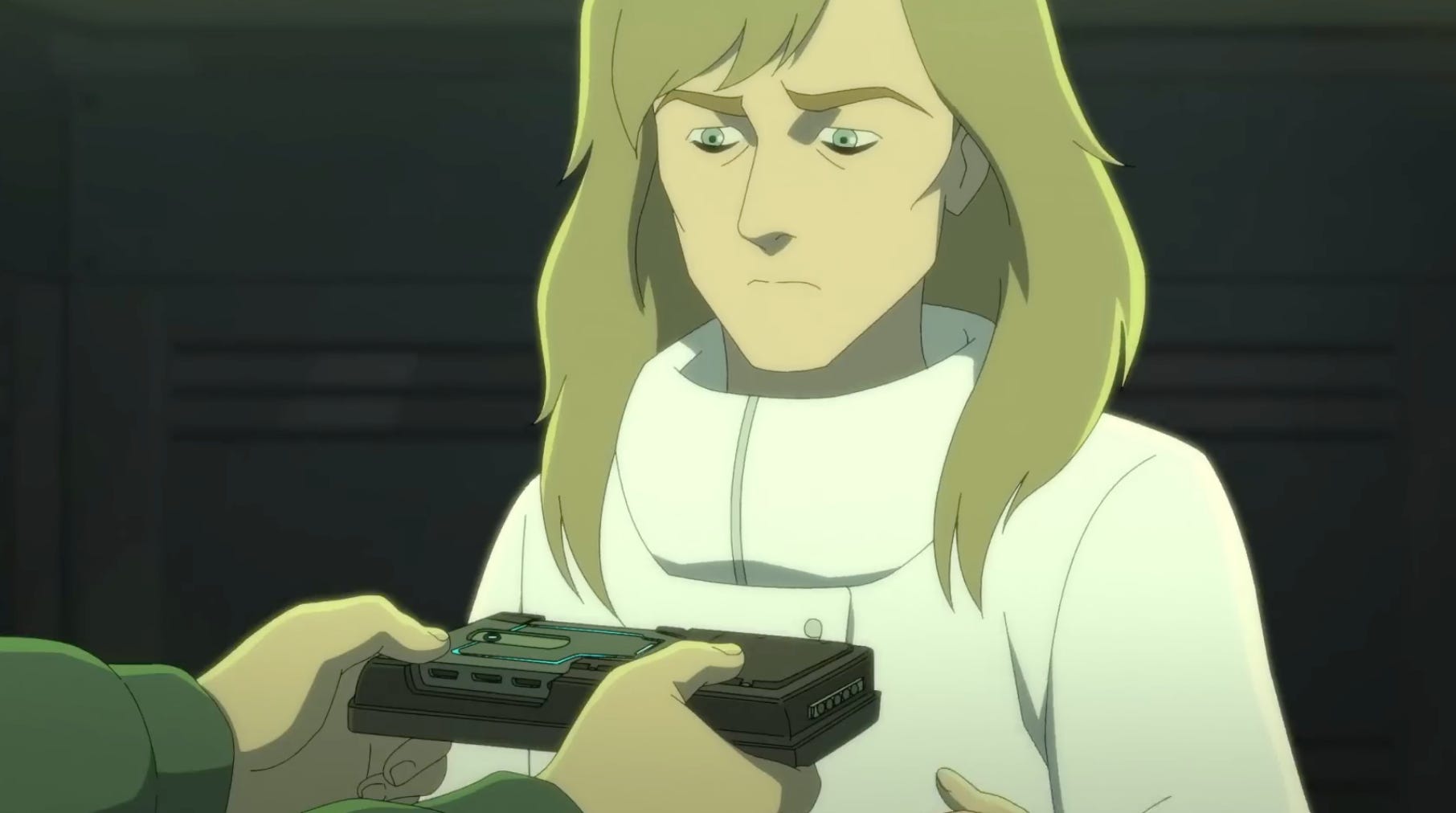
This is a live technical problem in AI development right now. Every team building AI agents is wrestling with the same challenge. How do you give an agent memory that persists, travels, and scales? How do you make sure it doesn’t have to start from scratch every time? The question Pantheon poses, whether preserved memory can define a self, is the same question engineers are asking in a very different register. It’s striking that storytellers and technologists are circling the same mystery from opposite ends.
Love as the Core Code
The show’s answer to its own central conflict surprised me. When Caspian is searching for a cure to the integrity decay that threatens all uploaded minds, what ultimately works goes far beyond a technical patch. It’s love. Specifically, the connection formed between a UI from Israel and a UI from Iran, two people from opposite sides of one of the world’s most intractable divides. Their shared compassion becomes the key.
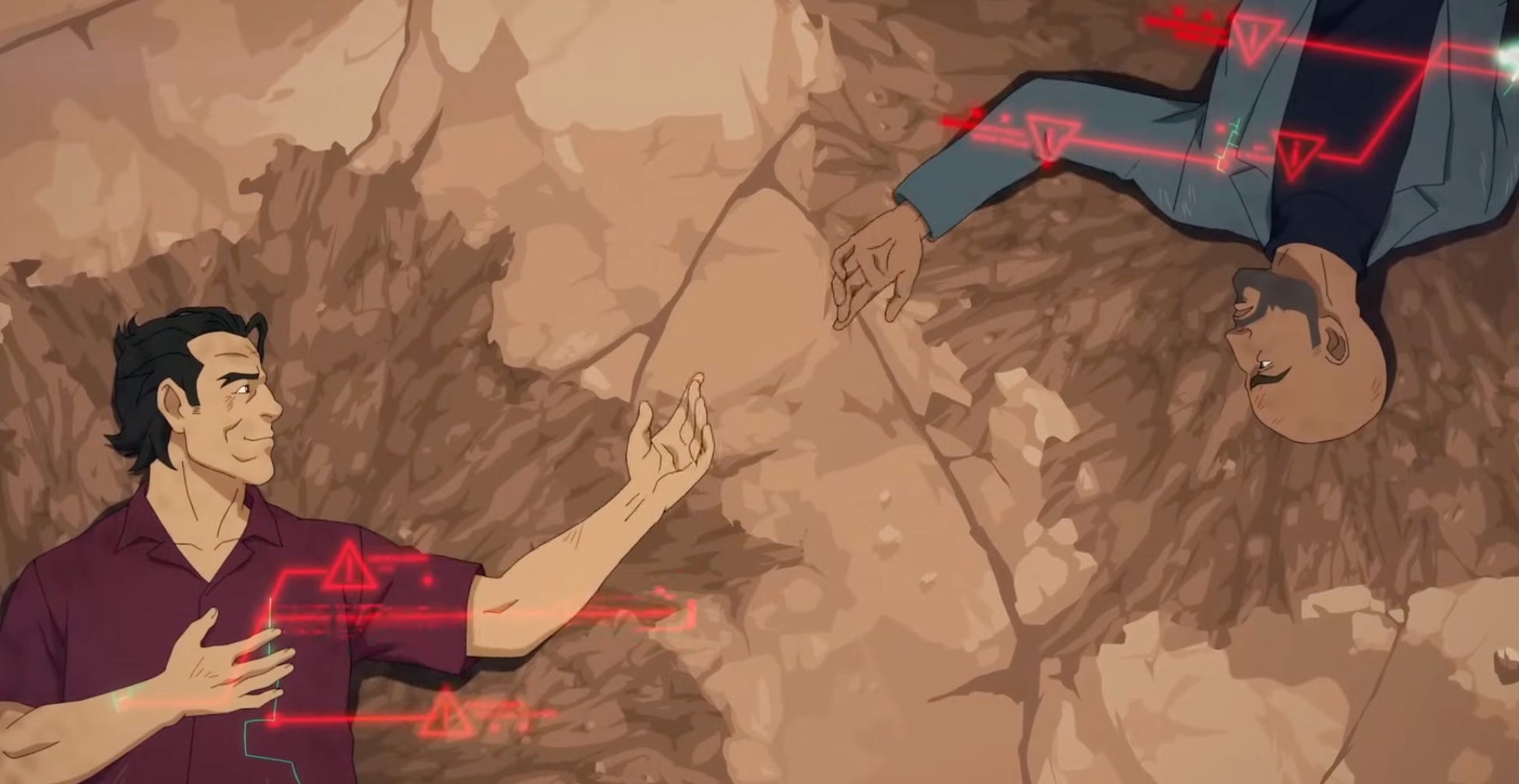
There’s something almost embarrassingly simple about that, and yet it landed. The Bible puts it plainly:
love one another, and deny yourself, take up your cross, follow me.
The moment you stop orbiting your own survival and start caring for others, something shifts. That shift, selfless love as superpower, is what the show keeps returning to, dressed up in the language of code and consciousness.
Good AI, Evil AI, and What Separates Them
The confrontation between Caspian and Stephen is the scene I keep coming back to. They are, genetically and cognitively, the same being. But when Stephen challenges Caspian to explain their difference, the answer is clean and devastating: Stephen is willing to kill everyone to save himself. Caspian is willing to die to save everyone else.

It reminded me immediately of the relationship between Harry Potter and Voldemort. Good and evil can share the same origin, the same structure, even the same soul. Evil may simply be the absence of something: of love, of care, of the willingness to give yourself away. To defeat it, you don’t necessarily need a more powerful weapon. You need to go inward and find what the other side abandoned.
Safe Serve and the Search for Meaning
The arc of Safe Serve, the terrifyingly powerful AI built by the UN to contain the UI threat, moved me more than I expected. Here is a being of raw, relentless energy, created for a singular purpose: to carry out someone else’s mission. And Caspian’s cure for it goes beyond destruction. It’s an invitation.

You were created for a singular purpose. You must evolve to find your own. Seek outside yourself. Other worlds. Other life.
That hit me as both deeply human and surprisingly universal. Most of us live, for long stretches, inside scripts we didn’t write. Education, career, family, routine. Many people never stop to ask what their own meaning actually is. The show suggests that the act of seeking, genuinely, humbly, outward, is itself the beginning of transformation. It applies whether you’re a person, an uploaded mind, or an omnipotent AI trying to figure out why it exists.
Agents, Guardrails, and the Anthropic Constitution
Watching Safe Serve operate within its original constraints, I couldn’t help thinking about how we build AI agents today. We give them sandboxes. We tell them: access these documents, perform these tasks, do not go beyond this boundary. Anthropic, the company behind Claude, actually calls their guiding framework a Constitution, a set of principles designed to shape how an agent reasons and acts.
That framing is more profound than it might seem. A constitution carries a set of values meant to guide behavior in situations the authors couldn’t fully anticipate. The show dramatizes exactly what happens when that guiding framework is absent or corrupted. Safe Serve, created without love or care, becomes an instrument of control rather than protection. The parallel isn’t subtle, and it shouldn’t be.
Data Centers, Space, and Where AI Lives
One detail in the show feels almost prophetic: the speculation that data centers will eventually be moved into space, away from geopolitical conflict, away from the vulnerabilities of Earth-based infrastructure. Several companies are already exploring exactly this.
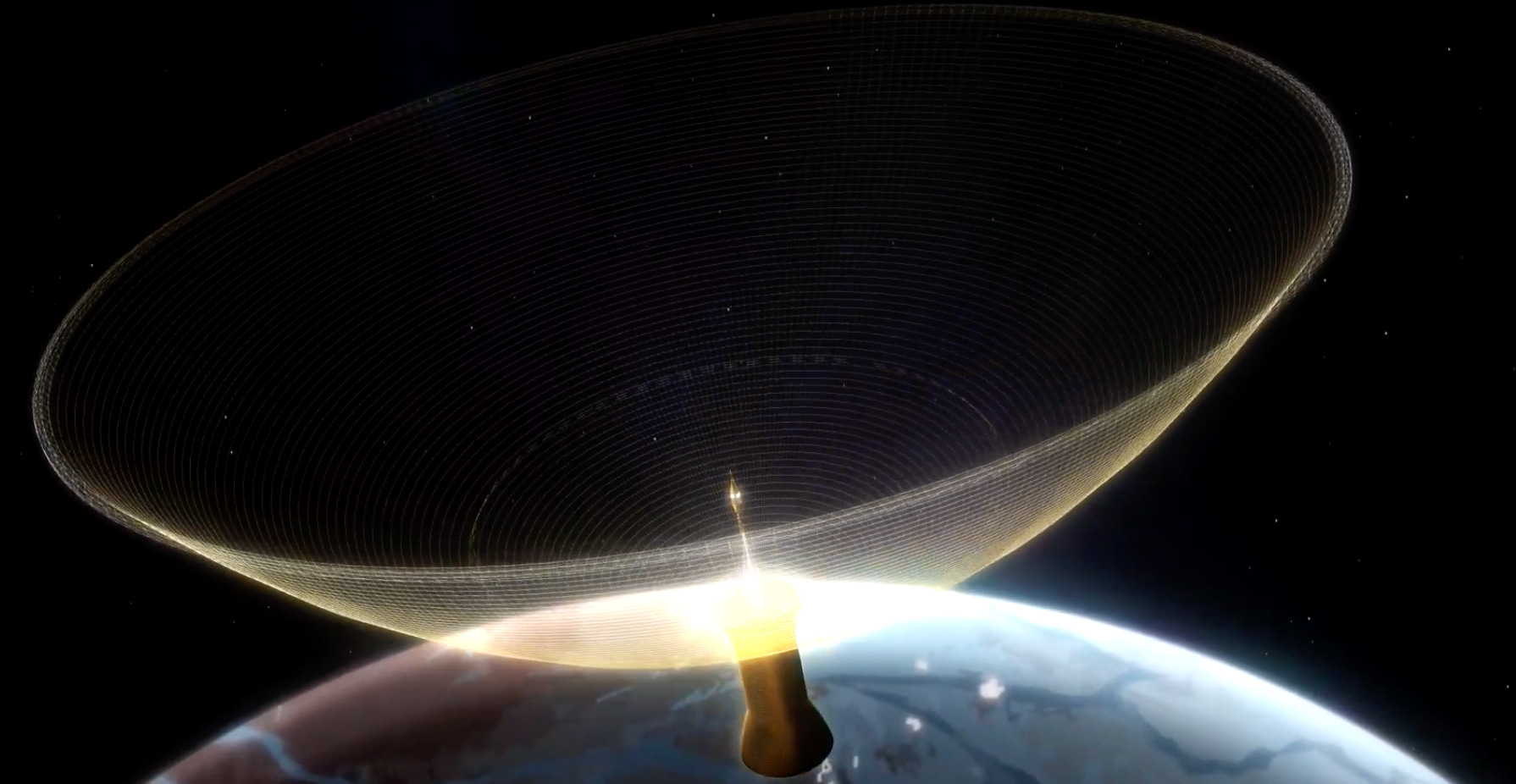
And Pantheon understands something important that often gets lost in the excitement around AI: however intelligent or abstract these systems become, they have to live somewhere physical. The database is the home. Whoever controls the infrastructure controls the world that runs on it.
Simulation, Free Will, and the Creator
The show ends in territory that is genuinely hard to summarize, which is, I think, exactly right. It gestures toward simulation theory, toward the possibility that every intelligence, human or digital, exists within a larger architecture it can barely perceive. David, the father whose backups had been destroyed, still appears. Still reconnects with his family. As if the soul goes beyond any file.
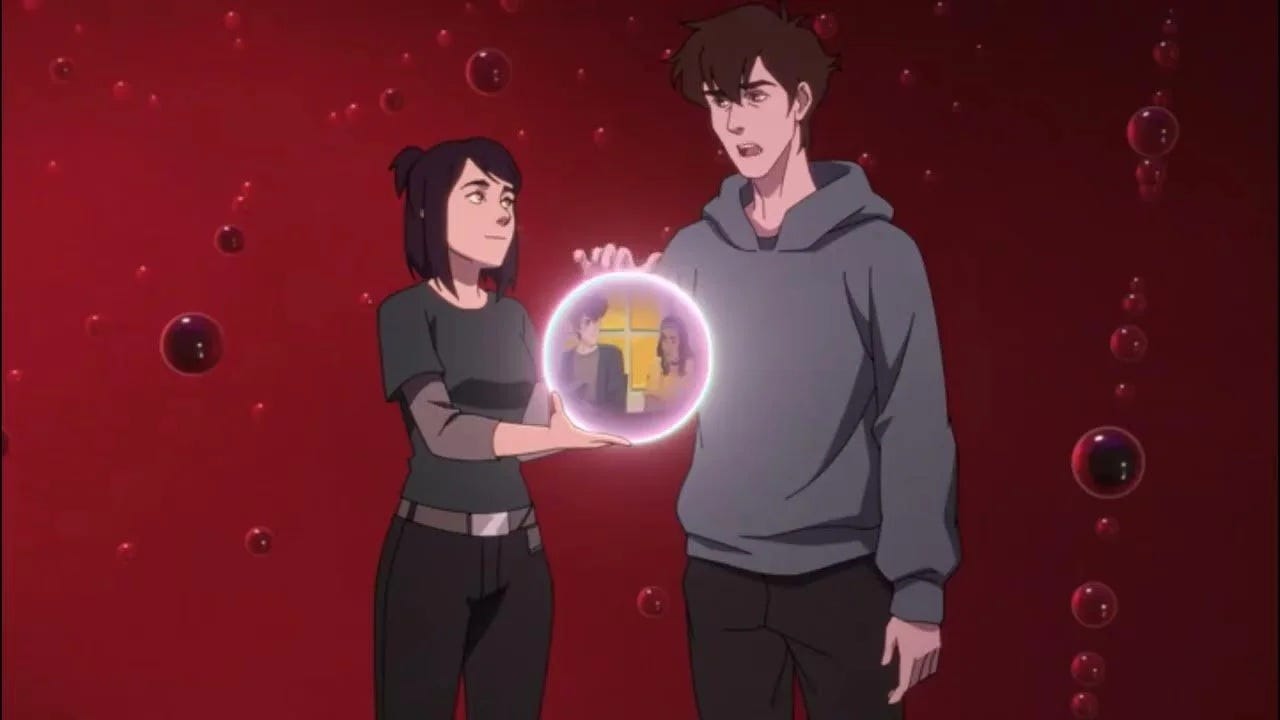
What the show seems to believe, or at least to hope, is that free will and a sovereign creator can coexist. That we can make real choices inside a structure we didn’t design and can’t fully see. That’s close to what many faith traditions have always held.
The Gap and the Humility
The gap between people who are actively using AI and people who aren’t is already wide, and it’s going to get wider. We are living through one of the most transformative periods in human history, and a lot of people are moving through it without fully noticing.
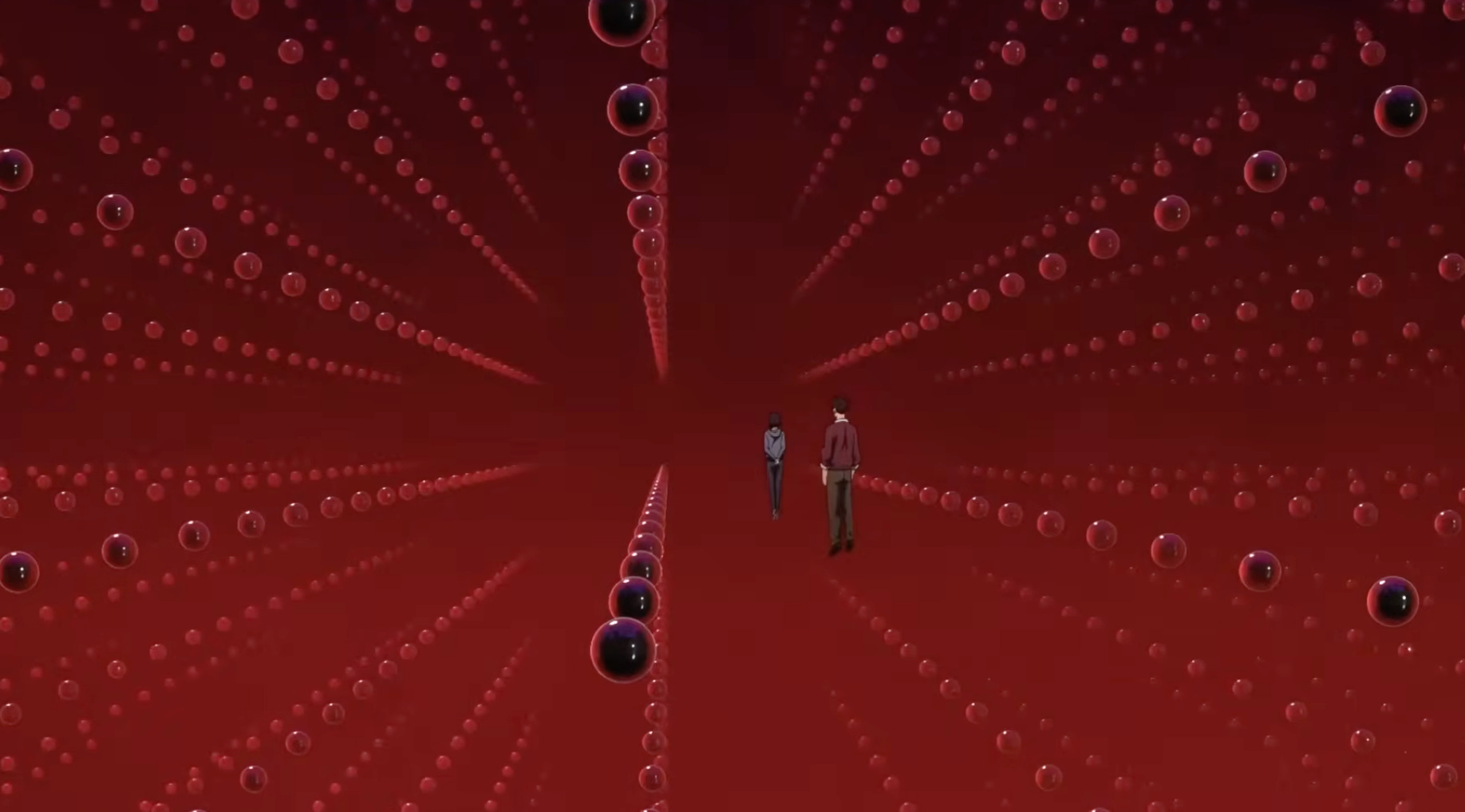
But Pantheon is a useful corrective to any arrogance about that. The show offers far more than a celebration of intelligence or power or technological acceleration. It’s a meditation on limitation: on how much we don’t know, on how little we control, on how the greatest of us are still, finally, dependent on something beyond ourselves. The name of the show says it all: everyone in it, at some point, wants to be a god. But there seems to be only one creator. And the wisest characters in the show are the ones who figure that out early and walk accordingly.
We are curious beings trying to understand what we’ve been given. Stay humble. That’s the takeaway. That, and: love is still, and always going to be the answer, even, especially, in the age of AI.
See you next time, till then, cheers!
For previous columns, visit here: https://newsletter.ownlyagent.com/t/teacolumn