

In the last article of the series of Denationalization of Money, we will talk about Real-world asset (RWA) tokenization, which is reaching a record $20 billion in April 2025.
As BlackRock CEO Larry Fink wrote in his shareholder letter:
“Every stock, every bond, every fund — every asset — can be tokenized.”
So, What is Real World Asset(RWA)Tokenization?
According to Dr. Perplexity:
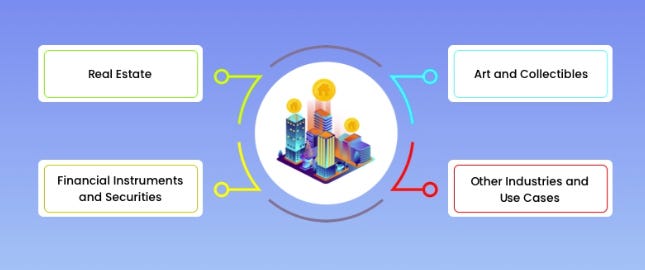
Real world asset (RWA) tokenization is the process of converting ownership rights of physical or traditional financial assets—such as real estate, commodities, equities, bonds, art, or intellectual property—into digital tokens recorded on a blockchain.
How RWA Tokenization Works?
Tokenization converts asset ownership rights into digital tokens on a blockchain, often using standards like ERC-20 or ERC-721.
Key steps include:
Asset Selection: Choosing the asset (e.g., real estate, art, bonds).
Token Specifications: Deciding fungibility, token standard, and blockchain (e.g., Hedera, Ethereum).
Off-Chain Verification: Using oracles like Chainlink to validate asset backing.
Issuance and Trading: Minting tokens and enabling peer-to-peer trading via DeFi platforms.
First question though, is RWA qualified as money? What can be defined as money? Let’s go back to the basic to see the definition of money as we discussed previously.
According to the International Monetary Fund:
"Money is anything that is widely accepted as a means of payment for goods and services or for settling debts, essentially acting as a medium of exchange, a unit of account, and a store of value, and can also be considered a standard of deferred payment."
In short, money must serve as:
Medium of exchange
Unit of account
Store of value
Standard of deferred payment
For RWA tokens:
Medium of exchange:
Yes: RWA are the digital representations of physical/financial assets, which, indeed, are designed to facilitate trading and ownership transfer.
However, RWAs are not widely accepted as direct means of payment.
Unit of Account or Standard of deferred payment
Not really: the prices and values of RWAs are usually referenced in existing monetary units, not in RWA tokens.
Store of Value
Yes, since RWAs represent ownership in assets with intrinsic value.
Based on the above examination, RWAs possess some characteristics of money and could potentially function as money.
Does RWA qualify as "good money" according to Hayek's definition?
Usability of RWA: YES!
Real Estate:
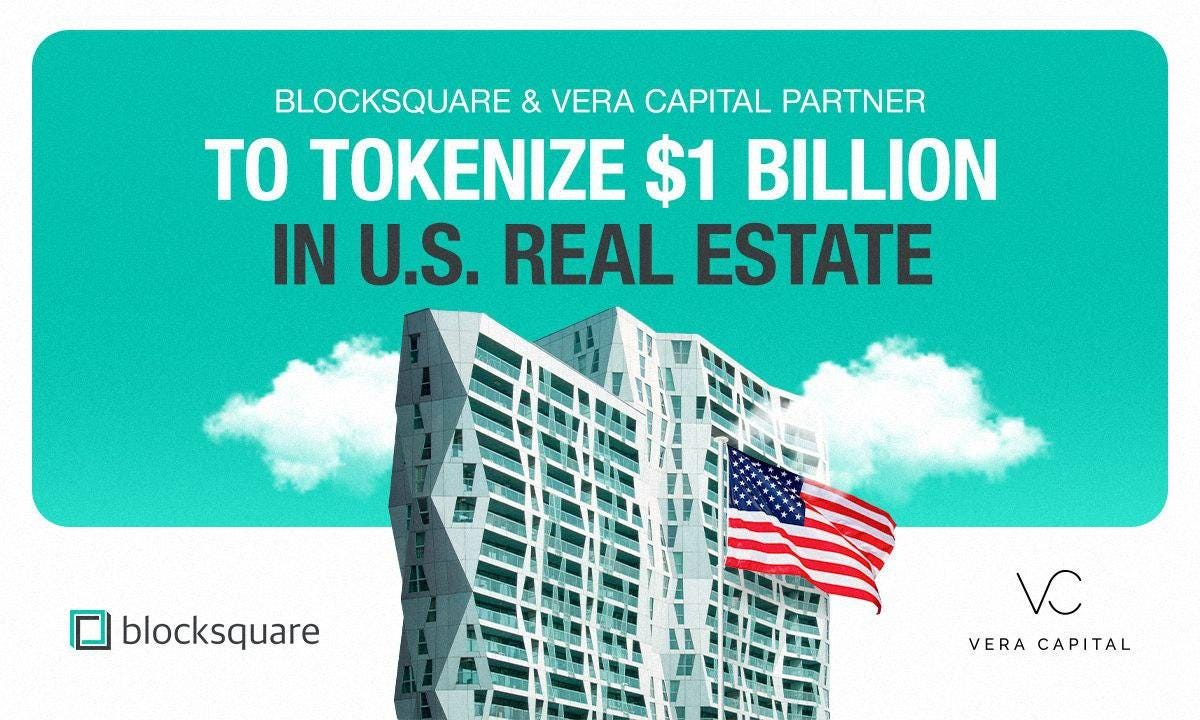
As recently as Friday (April 18, 2025), Vera Capital announced a partnership with Blocksquare to tokenize “a substantial portfolio of commercial and multifamily real estate assets” across the United States, having already tokenized a $5.4 million commercial property in Fort Lauderdale.
Art and Collectibles:
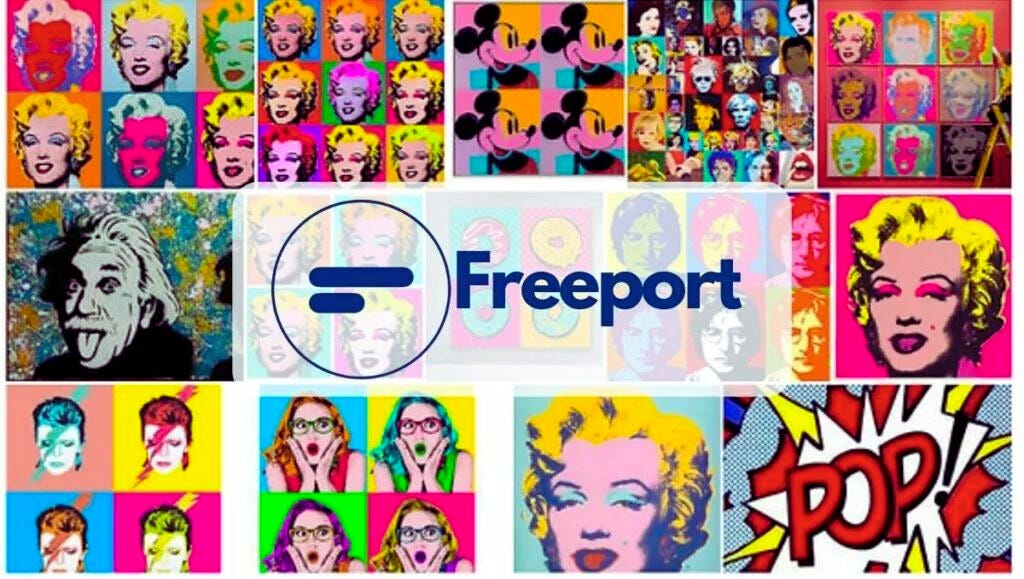
Freeport offered fractionalized shares of Andy Warhol paintings, allowing individuals to own a small portion of the artwork.
Commodities and Bonds:
HSBC Orion has a similar tokenized asset platform through which the European Investment Bank chose to issue its first digital bond in pound sterling in January 2023.
As seen above, there are tons of benefits of RWA tokenization, to summarize, RWAs offer:
Fractional Ownership: Enables investors to buy fractions of high-value assets (e.g., a Picasso painting).
Enhanced Liquidity: Tokenized assets can trade 24/7 on global markets, reducing traditional settlement times.
Cost Efficiency: Reduces intermediaries, paperwork, and custody fees
Stability & Trust of RWA: YES but…
Stability: Yes, RWA is relatively immune to volatility. The prices and values of RWA tokens are tied to their underlying physical or financial assets, making them relatively stable against market fluctuations.
Transparency: Yes. Blockchain technology creates an immutable record of ownership and transactions, which helps minimize fraud.
Trust: Not so much. Security Risks: vulnerabilities may exist in smart contracts, and third-party custodians require thorough auditing to prevent.
Looking ahead
In the near future, everything that can be tokenized will be tokenized, including our electricity bills, artwork, housing, and retail goods like shoes, jewelry, you name it. Everything we can possibly think of.
Take gold for example. When buying gold online, instead of relying on direct shipment from the shop owner—which risks loss during shipping or potential scams—buyers can purchase ownership of the tokenized gold piece on-chain. The gold is stored by third-party custodians, allowing buyers to either pick up items in person or have them shipped through regulated, trustworthy custodians, creating a reliable, fast, and cost-effective service.
(Pax Gold has tokenized gold, allowing investors to buy and sell these tokens on the Ethereum blockchain, providing a secure and efficient way to invest in precious metals without needing physical storage.)
How cool is this! In fact, the benefits of tokenization have alreday been demonstrated by numerous existing use cases.
Regarding risks mentioned above, companies like Chainlink's Proof of Reserve and Hedera's compliance-focused platforms are already working on addressing transparency and regulatory concerns. With traditional finance and decentralized finance merging, tokenization stands to unlock trillions in illiquid assets—ultimately transforming global capital markets.
That transformation is approaching more rapidly than we might expect.
Earlier articles in the series Denationalized Currency in the Age of Blockchain and AI
#1 You Don't Need to Be a Government to Create Money
#3 The State of Money Today (1) Fiat — Is Fiat Good Money?
#4 The State of Money Today (2) Bitcoin
#5 The State of Money Today (3): Ethereum and Solan