


The tech world is buzzing with terms like “AI-first” and “AI-native,” but what do these concepts actually mean in practice? A recent article by Peter Pang sparked widespread discussion on X, reflecting on the true definitions of these terms, the role of agent harnesses, and how companies should fundamentally restructure themselves for the AI era.
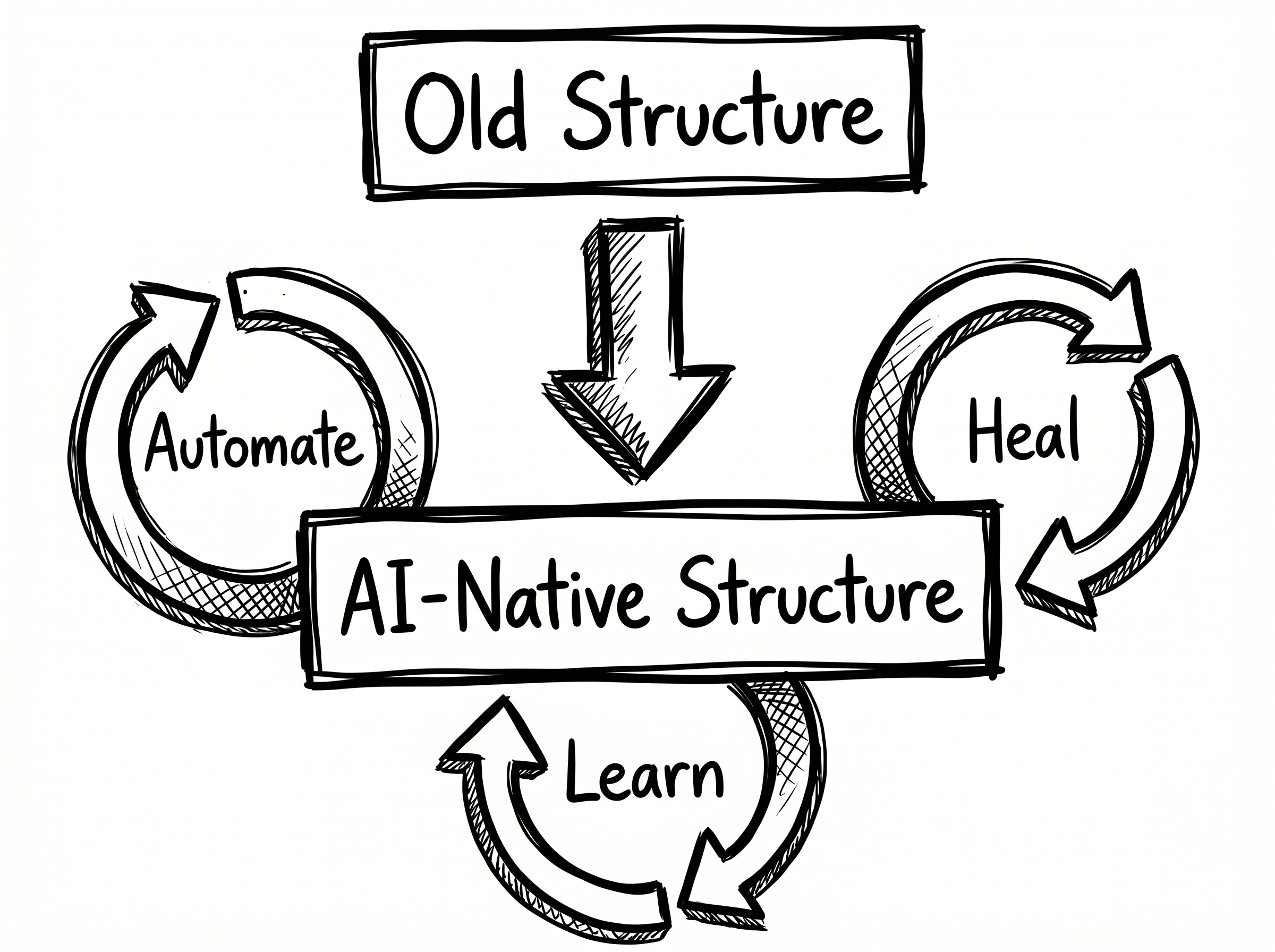
When people talk about becoming an “AI-first” company, the immediate instinct is to incorporate AI into existing workflows, typically starting with basic automation. However, as Peter describes, and as Jack Dorsey has similarly noted, this is not merely about adding automation to what already exists. It is about a deeper structural shift, rethinking how a company is organized and how the business operates from the ground up.
The Self-Healing Brain and Entangled Software
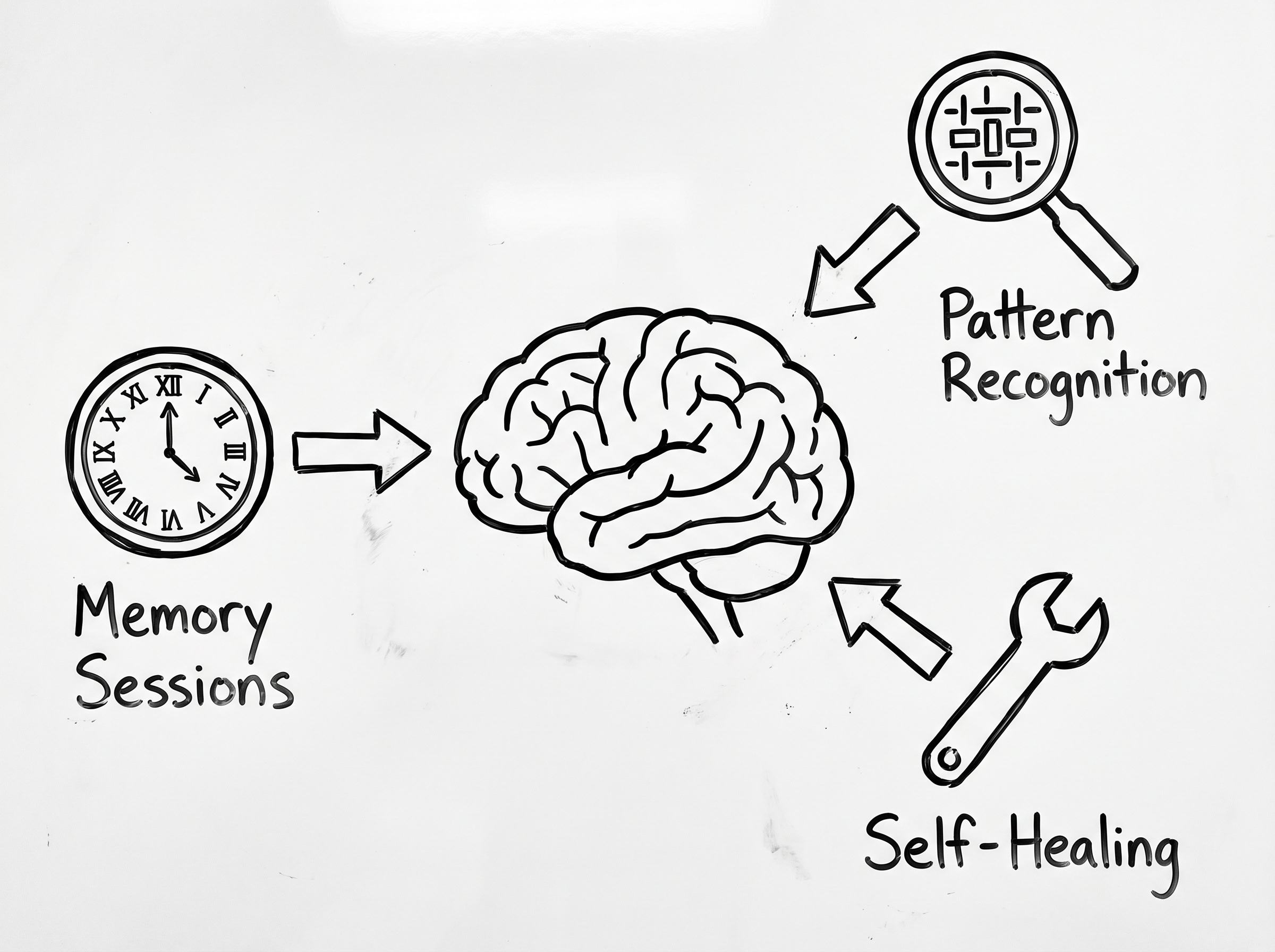
The most critical component of this shift is the self-learning and self-healing layer: the true “brain” of the AI. This layer constantly learns from memory sessions, recognizes patterns, and proactively heals systems before they break. This continuous evolution is the essential part of an AI-native architecture.
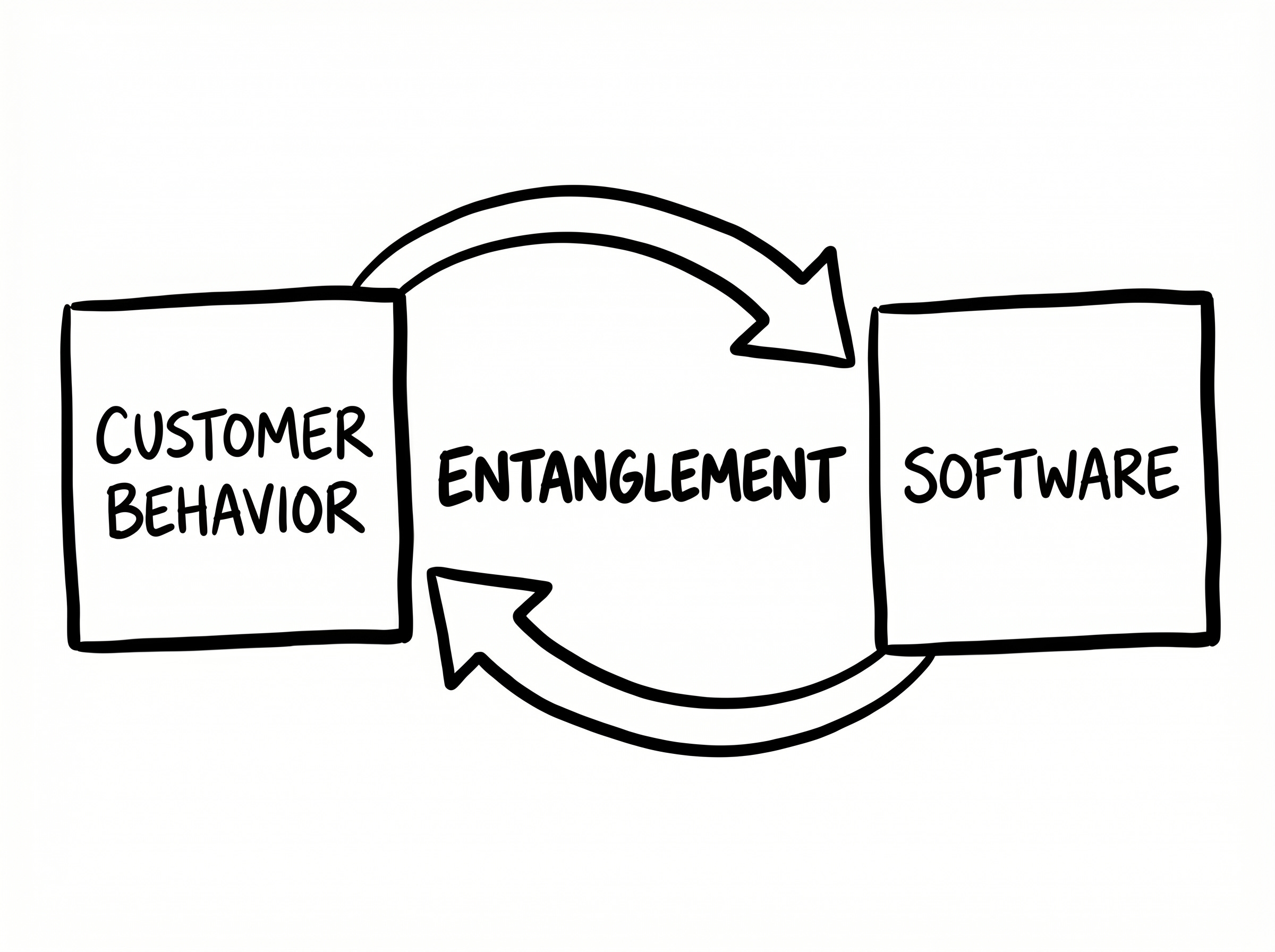
In the realm of software sales, particularly for SaaS and service businesses, the CEO of CrewAI introduced a compelling concept: “entangled software” . In this model, customer behavior dictates how the software should function, and simultaneously, the software’s functionality influences how customers behave. It is a continuous loop of entanglement where a change at any endpoint dynamically influences the other.
Currently, this proactive, self-evolving layer seems to be the missing link that the industry is racing to build. As Peter Steinberg recently mentioned in an interview, if he had free time, he would focus on the concept of AI “dreaming”: the nighttime process of consolidating memories and logs to improve and self-evolve, much like the human brain.
The Road to the Ideal State
Right now, much of the industry’s attention is concentrated on agent frameworks and harnesses, especially following the open-source release by Claude Code. While these tools are important, we must not lose sight of the end goal: solving problems.
To solve problems, we must first identify them, and AI excels at this. The missing layer is the intelligence that learns, spots patterns, adapts, and becomes proactive. As the CEO of CrewAI aptly stated, you can build a road, but you must know where it leads. The destination is the “ideal state” where the problem is resolved, and the self-learning, self-healing aspects of AI are the vehicles that will get us there.
While it may sound like we are envisioning a utopian future where this ideal state is reached without human involvement, the reality is that we are not there yet. We are still struggling to build this self-healing, self-evolving intelligence. Reaching that point will require significant thought and structural innovation.
The Future of Thought: Coach or Crutch?
Looking ahead, consider the toddlers of today and what their future will look like. Will they need to use their brains as much when so many problems are already solved by AI? A thought-provoking discussion (The Last Generation of Humans Who Will Ever Have to Think) on X highlighted how dystopian this future could potentially become, posing a critical question: Will we use AI as a coach or as a crutch?
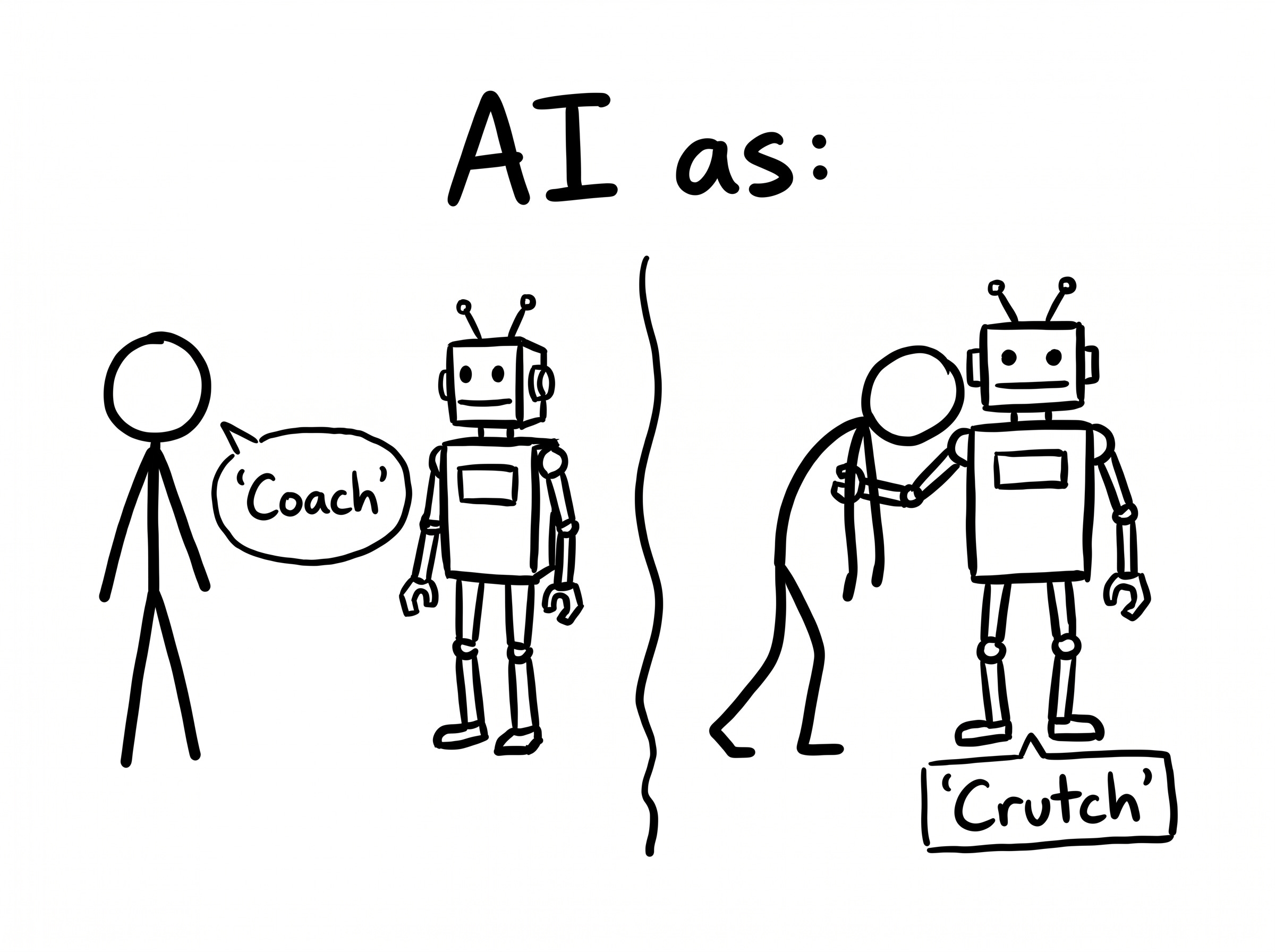
If we use AI as a coach, it becomes a 24/7 personalized tutor. It is patient, available, asks challenging questions, and acts as a thought partner, ultimately helping us learn and grow.
However, for many, it is not an “if” but a “when.” As AI becomes increasingly powerful, the necessity for human thought diminishes. We are already seeing students rely heavily on AI tools because it removes the burden of thinking, causing our mental “muscles” to shrink. If we allow AI to make all our decisions, we are essentially surrendering control of our lives. Given current trends, such as Claude tracking IDs and restricted access, it is easy to feel that we are already heading down this path.
The Weightlifting of the Mind
What, then, does that future hold? Thinking is like weightlifting: it requires muscle, training, and consistent effort. The more you think, the stronger you become. Perhaps this ability to think, even when AI can do it for us, is what fundamentally makes us human.
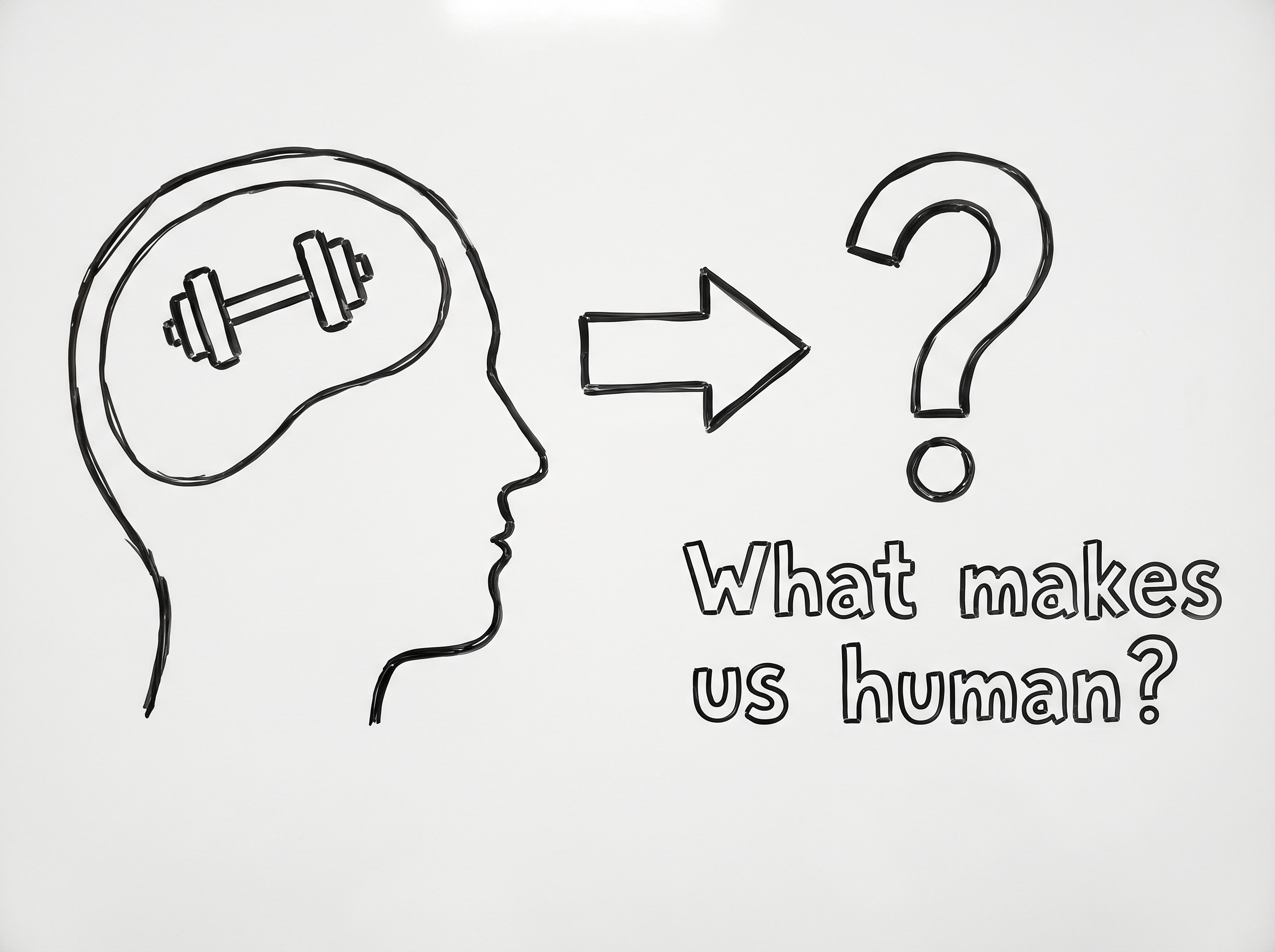
If we are moving toward a world where there is seemingly nothing left for us to think about, it raises a profound question: In a critical moment, what will we choose to do, and how will we choose to think?
Till then, cheers!
Previous column articles can be found here: