
Daily TEA: SEC’s Crypto Dance with El Salvador as AI Smells the Future
Crypto Sandbox, AI Education, CCP Censorship, Text-to-Speech, Olfactory Robots

Hello, dear TEA-mates! Here’s what’s brewing in today’s news.
1. 🇸🇻 SEC Courts El Salvador for Crypto Regulation Sandbox
The U.S. Securities and Exchange Commission’s crypto task force met with El Salvador’s National Commission on Digital Assets to explore a cross-border crypto regulation sandbox, limited to $10,000 per scenario. The talks aim to strengthen U.S.-El Salvador crypto ties, despite controversy over a proposed $6 million U.S. deportation deal with the Central American nation. Read More: Cointelegraph
🫖 TEA For Thought: Is the U.S. finally waking up to Latin America’s crypto potential, or is this just a late RSVP to a party the CCP crashed years ago? Can Washington catch up before the dance floor clears?
2. 📚 AI Tools Bridge Teacher Gap in Kenyan Classrooms
Kenya faces a shortage of 116,000 teachers, but AI platforms like Eneza Education and Kytabu are stepping in, delivering lessons via smartphones and SMS. Students like 15-year-old Valentine in Nairobi use these tools to study independently. Rural areas, however, struggle with limited internet, relying on offline solutions to keep learning alive. Read More: Rest of World
🫖 TEA For Thought: Could Starlink’s satellites be the key to connecting every corner of the globe? Imagine a world where solar-powered, sky-high networks make communication unstoppable—when’s that future arriving?
3. 🚫 CCP AI Video Startup Censors Politically Sensitive Images
Sand AI, a CCP-based AI video startup, has deployed strict filters to block politically sensitive images, like those tied to Tiananmen Square or Mao Zedong parodies. These controls align with the CCP’s internet censorship policies, curbing creative freedom as the platform gains global attention. Read More: TechCrunch
🫖 TEA For Thought: What’s the CCP so nervous about—past secrets, present moves, or future plans? Why should censorship be the default when free speech is a human right, not a political football?
4. 🗣️ Student-Built Dia Takes on Text-to-Speech Titans
Dia, an open-source text-to-speech model crafted by two unfunded students, rivals giants like ElevenLabs and OpenAI. With high-quality, customizable voices, Dia powers applications from audiobooks to virtual assistants, showcasing the power of grassroots AI innovation. Read More: VentureBeat
🫖 TEA For Thought: If two students with zero funding can outshine AI heavyweights, what’s stopping a flood of game-changing innovations? Is this the dawn of a truly democratized tech era?
5. 👃 Olfactory Sensors Bring Smell to Robotics Revolution
Ainos and Ugo’s new olfactory sensors allow robots to detect and identify smells, mimicking human noses. These sensors could revolutionize robotics by enabling applications like detecting diseases in healthcare, identifying explosives in security, or monitoring air quality in environmental settings, pushing closer to fully humanoid machines. Read More: Interesting Engineering
🫖 TEA For Thought: Robots that sniff out danger or disease—how close are we to a sci-fi world of sensory super-bots? What’s next, robots with a taste for fine wine?
Prompt Tip of the Day
OpenAI is now secretly watermarking text from their newest models by embedding invisible characters that look like regular spaces but aren't detectable by typical tools. This clever feature appears designed to identify longer outputs—like essays—that students might copy-paste.
To check if your AI text is watermarked, you can paste it into this online character viewer or view it in a code editor like Sublime Text or VS Code. The watermarks create a distinctive pattern that makes it easy to spot text from newer ChatGPT models.
Don't worry though—removing them is straightforward. Just find and replace these special characters with regular spaces in any text editor that can display special characters.
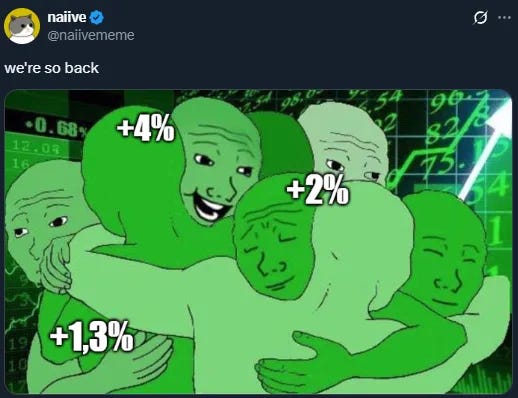
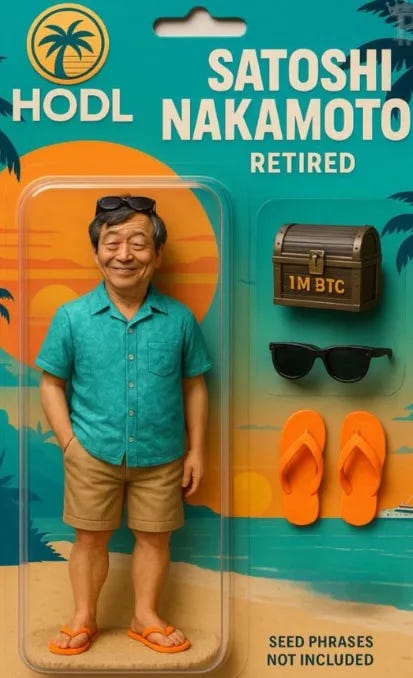
TEAHEE Moment
Stay sharp, stay informed. See you tomorrow!
Follow Us: Keep up with the latest scoops by following us on Twitter/X.