

Hello, dear TEA-mates, here’s what you need to know today.
1.🖥️ IBM Unveils Roadmap for Fault-Tolerant Quantum Computer by 2029
IBM has outlined a detailed framework to build Starling, a large-scale, fault-tolerant quantum computer by 2029, featuring 200 logical qubits and capable of 100 million quantum operations. The system leverages a modular architecture with advanced error correction using low-density parity-check codes, aiming to surpass classical supercomputing for specific applications. A subsequent 2,000-qubit system, Blue Jay, is planned for 2033. This announcement, made at IBM’s Think 2025 conference, marks a significant step toward practical quantum computing. Read More
🍵 TEA For Thought: This milestone will be a historic moment when realized.
2.🤝 OpenAI Reflects on Rapid Growth and Team Dynamics
Sam Altman, CEO of OpenAI, shared insights on the company’s rapid scaling, noting that the organization has grown by orders of magnitude every few months, equivalent to a decade of growth for a typical firm. This pace has led to significant team turnover as interests diverge, a common challenge for fast-growing startups. Altman emphasized that iteratively providing powerful tools to users drives broadly distributed, positive outcomes. Read More
🍵 TEA For Thought: Well-crafted, though it carries a diplomatic tone.
3.🌏 Nvidia CEO Highlights U.S. Tech Lead Over China, Huawei Responds
Nvidia CEO Jensen Huang stated that U.S. technology is a generation ahead of China’s, emphasizing Nvidia’s dominance in AI chip markets. Huawei’s CEO, Ren Zhengfei, responded, stating, “The United States has exaggerated Huawei’s achievements. Huawei is not that great. We have to work hard to reach their evaluation.” Huang noted that if U.S. firms are restricted from China’s market, Huawei is well-positioned to fill the gap, given its strong domestic presence and capabilities in AI and chip development. Read More
🍵 TEA For Thought: Huawei’s significant ties to the Chinese Communist Party (CCP) and its People’s Liberation Army (PLA) highlight its role as a state-backed entity, not merely a private enterprise. It is critical to distinguish Chinese people and students from the CCP, as they are not represented by the party’s actions or interests.
4.💸 Circle’s Stock Surges 10% as USDC Expands to World Chain
Circle’s shares surged over 10% on Wednesday as its USDC stablecoin launched on World Chain, an AI-focused blockchain led by OpenAI CEO Sam Altman. The network upgraded all bridged USDC tokens to native versions, enhancing liquidity. Circle’s stock reached $116, nearly four times its $31 IPO price from a week ago. USDC now operates across 21 blockchains, reinforcing Circle’s position as the second-largest stablecoin issuer, with its $28.34 billion IPO outperforming tech giants like Meta and Airbnb. Read More
🍵 TEA For Thought: Tether’s recent launch of the gold-backed XAU0 on Omni chain, followed by Circle’s USDC expansion to World Chain, cements their dominance, with USDT at 66% and USDC at 25%, controlling over 90% of USD-backed stablecoins. The concentration of power in these privately held companies is just concerning.
5.🌐 Dia, an AI-Powered Browser, Launched in Beta by Arc Creators
The Browser Company, creators of the Arc browser, has introduced Dia, an AI-driven browser now in beta for Mac users. Dia features a sleek interface and a chatbot sidebar that accesses visited websites and user data to enhance navigation and productivity. Emphasizing privacy, Dia stores and encrypts data locally, with temporary cloud processing. The company aims to make AI central to online experiences, though Arc faced prior security challenges. Read More
🍵 TEA For Thought: I'm curious to see how long this product will survive. I used their Arc browser last year, and now it's gone. In the AI era, it seems we can't get too attached to newly designed products—you never know when they'll be acquired and merged into something completely different or simply vanish quietly.
Prompt Tip of the Day
A common mistake in prompt engineering is using generic role descriptions.
Instead of writing "You are an expert marketer,"
try something like "You are a conversion psychologist who understands the hidden triggers that make people buy."
While these may seem equivalent, specific roles generate distinctive content, whereas generic roles tend to produce bland, ordinary results.
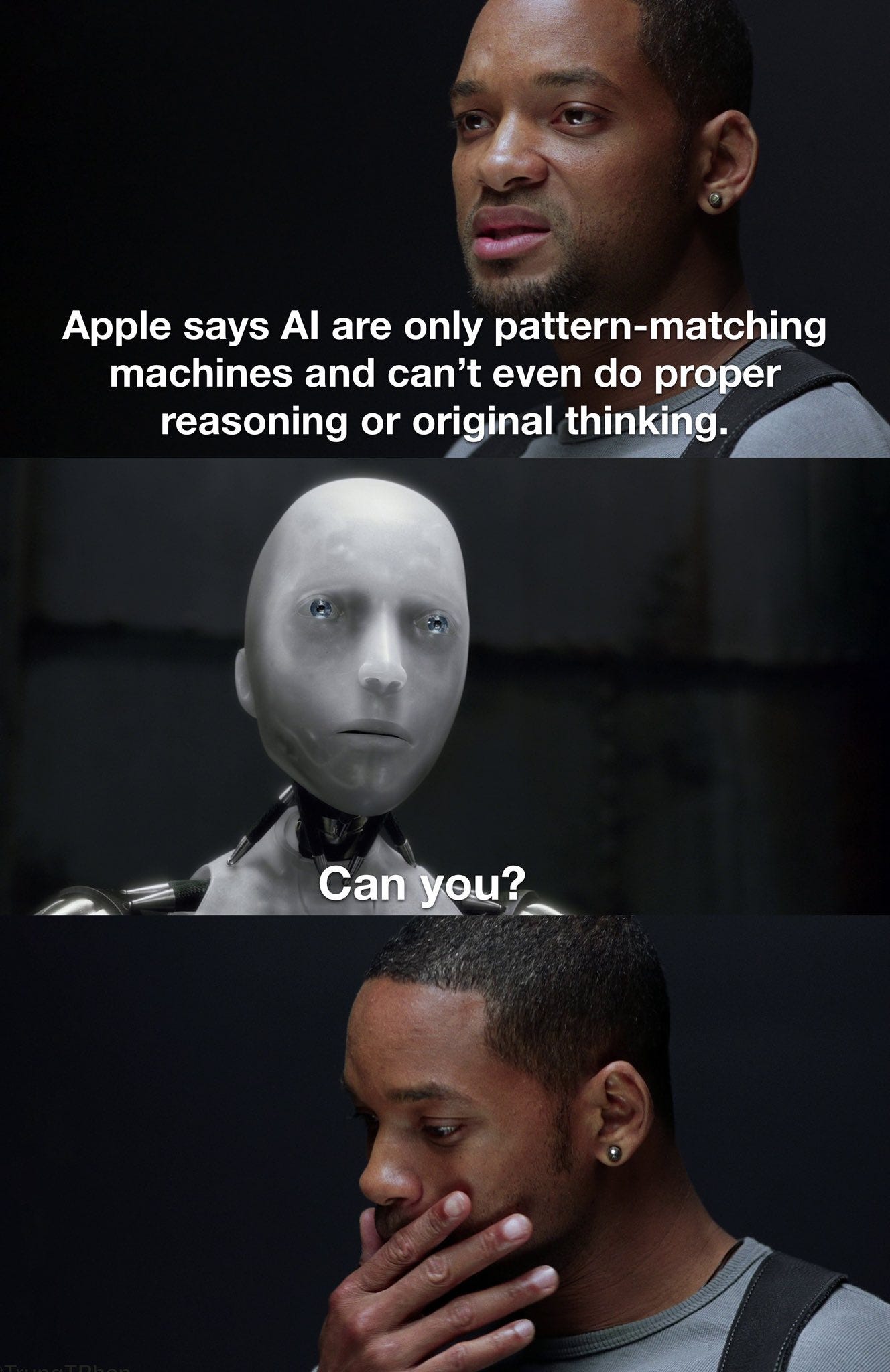
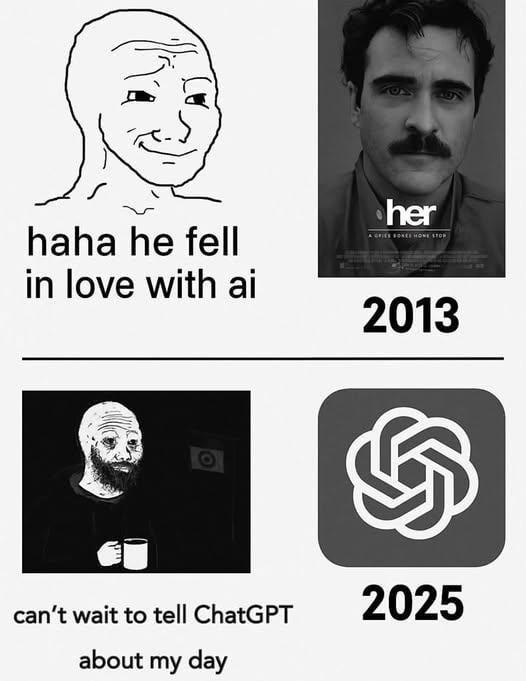
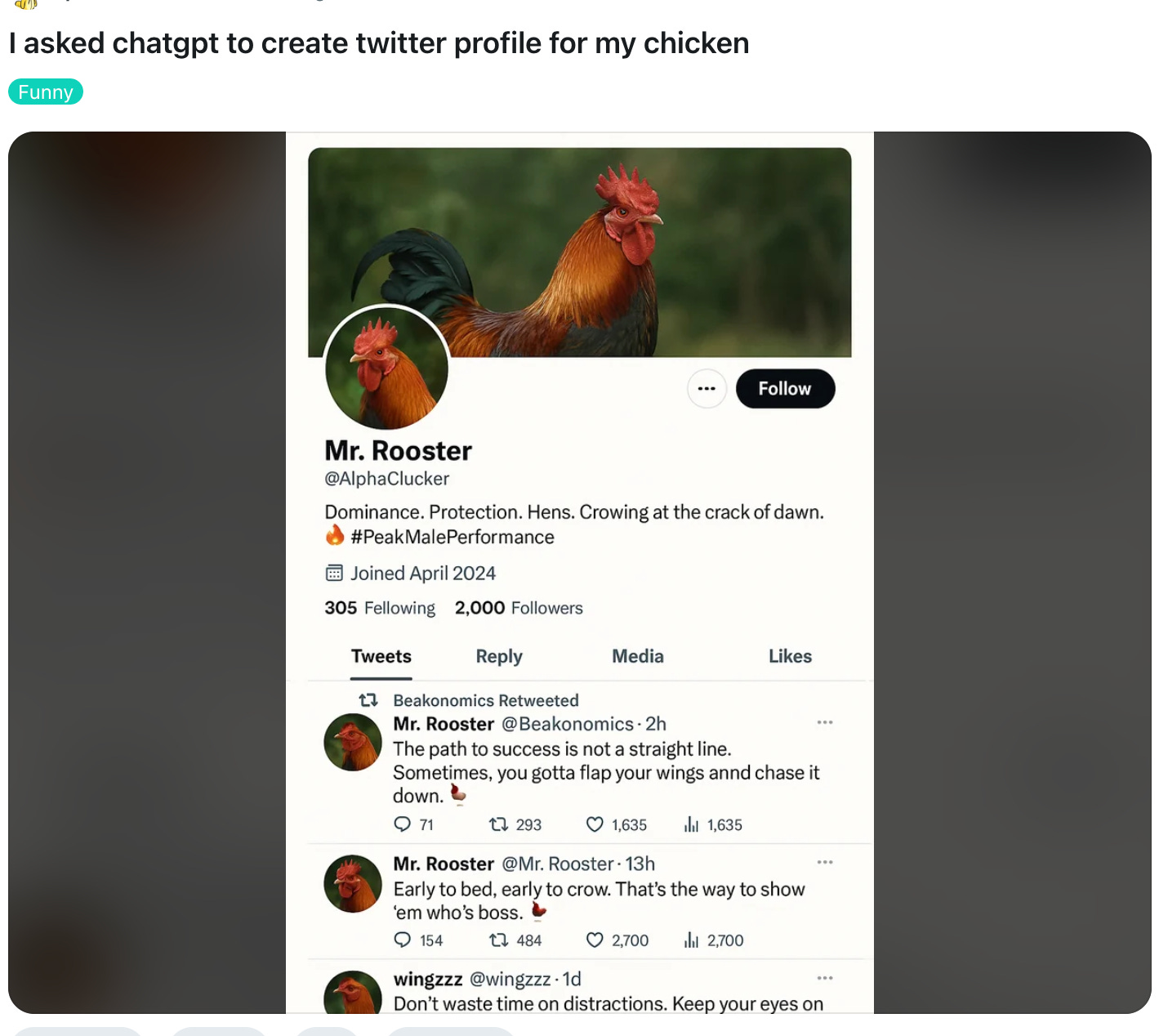
TEAHEE Moment
Stay sharp, stay informed. See you tomorrow.
Follow us on Twitter/X: https://x.com/the_era_arc