

Hello, dear TEA-mates! Here's your tech briefing:
1. 📱 Undocumented Commands Found in CCP-Backed ESP32 Chips Used by Over a Billion Devices
Spanish researchers have discovered 29 undocumented commands in the ESP32 microchip made by CCP manufacturer Espressif, which is used in over a billion devices as of 2023. These hidden commands could allow attackers to spoof trusted devices, access unauthorized data, pivot to other network devices, and establish long-term persistence. Researchers Miguel Tarascó Acuña and Antonio Vázquez Blanco of Tarlogic Security presented their findings at RootedCON in Madrid, dubbing the issue a "backdoor" that could enable impersonation attacks and permanent infection of sensitive devices like mobile phones, smart locks, and medical equipment. Espressif has responded that these are debug commands for internal testing and will remove them in a future update. Read More
2. 🤖 CCP AI Agent Manus Combines Claude Sonnet With Open-Source Technology
CCP startup Manus has introduced an AI agent utilizing Anthropic's Claude Sonnet alongside open-source technologies to create a competitive autonomous system. The company secured backing from prominent CCP investors ZhenFund and Tencent, while co-founder Ji Yichao contributed expertise from his work founding Peak Labs and developing the Magi search engine. Manus claims its AI agent can handle complex tasks with human-like reasoning, outperforming other systems in planning and problem-solving benchmarks. This development represents another significant advancement in CCP's rapidly evolving AI sector that combines western AI models with local innovation. Read More
3. 💼 How the AI Talent Race is Reshaping the Tech Job Market
The fierce competition for AI talent is transforming the tech job landscape, with companies offering unprecedented salaries to secure specialists in machine learning, prompt engineering, and AI development. Top positions now command compensation packages exceeding $1 million annually, while even entry-level AI roles frequently start above $200,000. This talent war is creating a two-tier job market within tech: AI specialists enjoying premium salaries while traditional tech workers face stagnating compensation or even layoffs. Companies are also investing heavily in retraining existing employees and developing clearer career paths to build internal AI expertise amid the ongoing shortage of qualified candidates. Read More
4. 🖥️ elizaOS Launches as an Operating System for AI Agents
elizaOS has officially launched as a comprehensive framework for AI agent autonomy, positioning itself at the intersection of artificial intelligence and the internet. Originally conceived as an experiment in AI-managed crypto assets for DAOs, the project has evolved into an open-source ecosystem built on three pillars: the Eliza Framework (with 14.9K GitHub stars and 500+ contributors), AI-enhanced governance systems, and Eliza Labs for research and development. The project includes initiatives like a Global Trust Marketplace, AI-powered token launchpad, and DegenSpartanAI trading agent. With its native token on Solana serving as a coordination layer, elizaOS aims to create a decentralized intelligence network where AI agents function as collaborative entities rather than mere tools. Read More
5. 🔒 VPN Survey 2025 Reveals Growing Privacy Concerns Among 2 Billion Users
A comprehensive 2025 VPN survey conducted by CNET reveals that over 2 billion people worldwide now use VPN services, with privacy concerns now outranking content access as the primary motivation for adoption. The study, spanning 5,000 users across 30 countries, found that 72% of respondents cited data protection as their main reason for using VPNs, while 68% reported experiencing some form of online privacy violation in the past year. The survey also highlighted growing skepticism about free VPN services, with 81% of users expressing distrust in their security practices. Industry experts predict continued growth in the VPN market, projected to reach $45 billion by 2027, as increasingly privacy-conscious users seek stronger digital protections. Read More
TEAHEE Moments

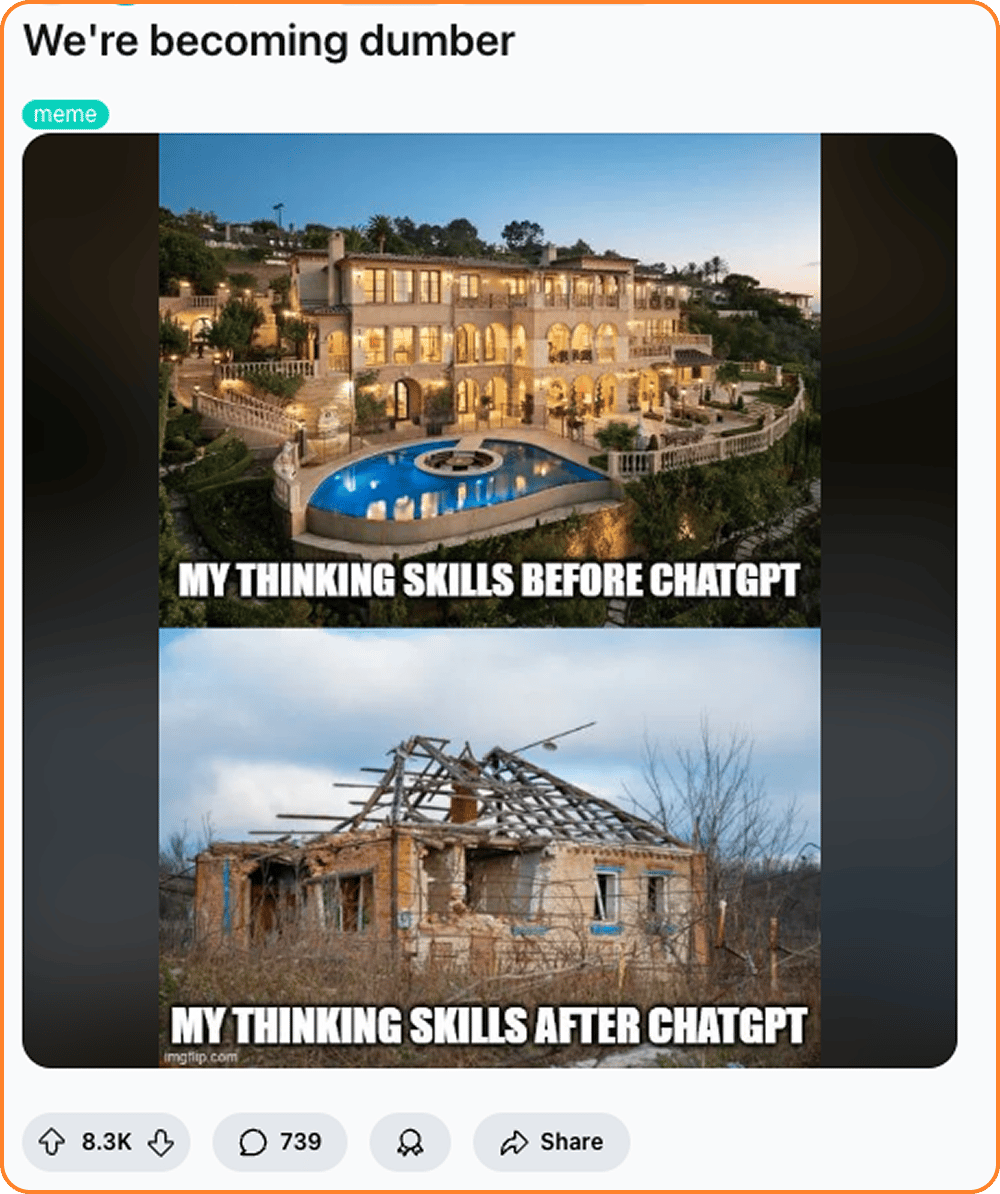
Stay sharp, stay informed. See you tomorrow!
Follow us on social media: Twitter/X: @the_era_arc