

TL;DR:
Memecoins: from jokes to billions: Started with Dogecoin in 2013, now a $2.3B market via viral trends and Pump.fun.
Not "Good Money" yet: Unstable prices and limited use (e.g., Tesla trinkets) hinder reliability.
Community is king: A winner needs trust, use, and fixed supply to succeed.
It seems that memecoins started of as a joke. People seldom take it seriously. And people are not to blame, just look at the names and the tickers. How could we?

But beneath the circus, something wilder is happening: anyone with a laptop can now mint their own currency.
History of Memecoin: What Does It Mean?
Meme coins are a type of cryptocurrency that started as a joke or a playful idea, often inspired by internet memes—funny images or trends that spread online.
The first big one, Dogecoin, was created in 2013 by two software engineers who wanted to poke fun at the serious world of Bitcoin. They used a picture of a Shiba Inu dog from a popular meme as its logo.

In short, what typically defines a memecoin is humor, virality, community.
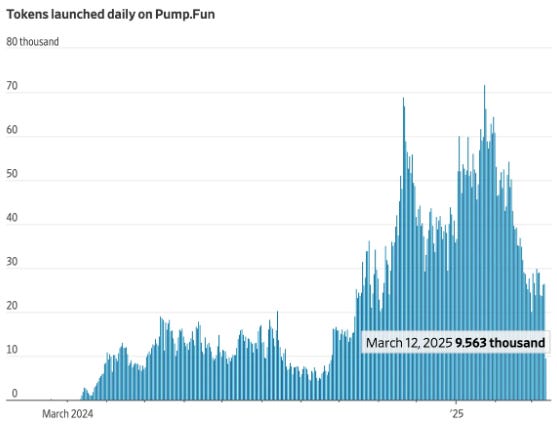
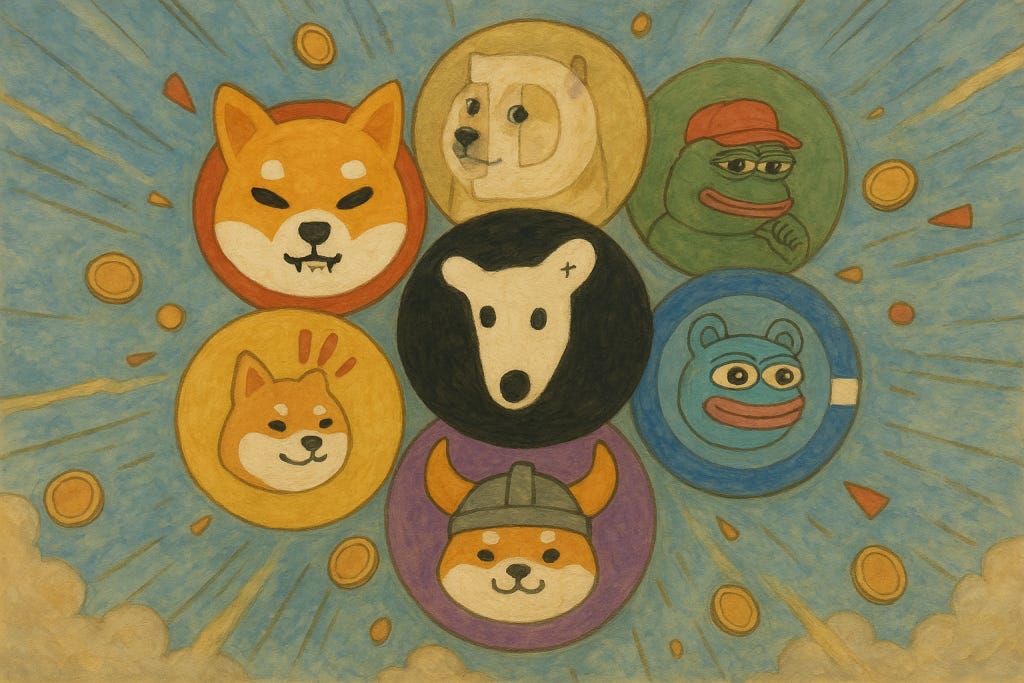
Following Dogecoin's launch, numerous memecoins emerged, including Shiba Inu (SHIB), PepeCoin (PEPE), and Bonk (BONK). The trend exploded with Solana's memecoin launch pad Pump.fun, which has facilitated the creation of nearly 7.9 million meme tokens. Currently, approximately 27,820 new tokens launch daily—roughly 19 new tokens every minute.
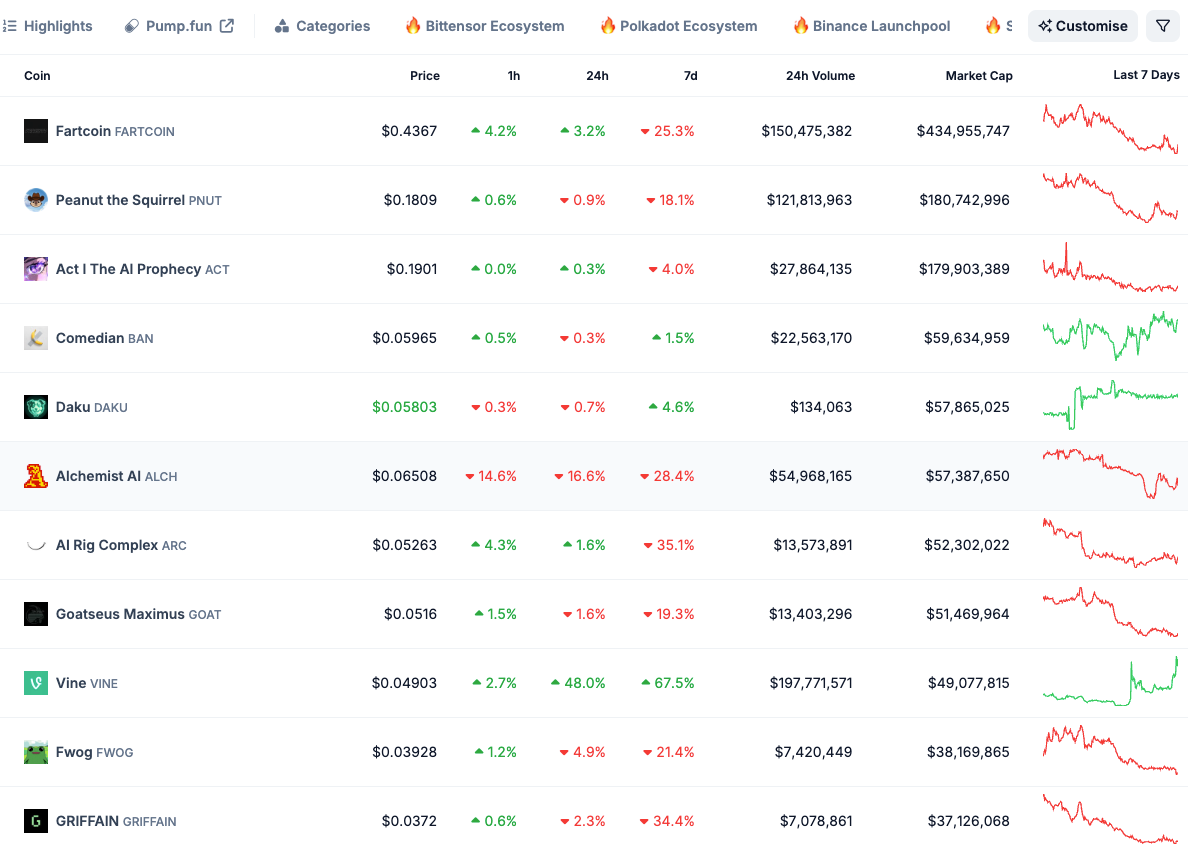
Top Pump.fun Ecosystem Coins Market Cap today is $2.3 Billion.
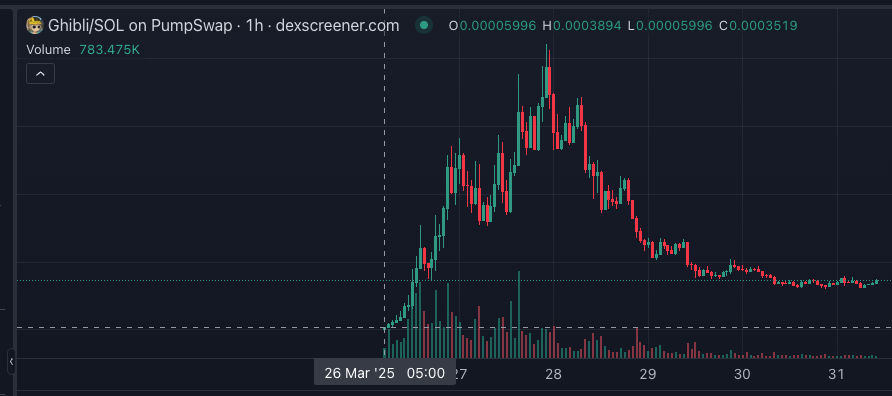
Consider the most recent trend: after ChatGPT's picture generation upgrade, the internet became flooded with Ghibli-style AI-generated images. Memecoins, predictably, jumped on this viral wave. The Solana-based Ghibli memecoin has surged +36,000% since its March 26 launch.
The largest Ghibli-themed token by market cap, Ghiblification (GHIBLI) has reached a market cap of $20.80 million since it went live 19 hours ago, according to DEX Screener.
With all this buzz, we might wonder: Is the memecoin phenomenon just a modern, blockchain-powered Ponzi scheme operating in an unregulated space? Or is it an inevitable product of our era—exactly what Hayek predicted in his book Denationalization of Money, where individuals can issue their own currencies to compete in a free money market?
First, let’s go back to the essentials and review how Hayek defines what makes money Good Money.
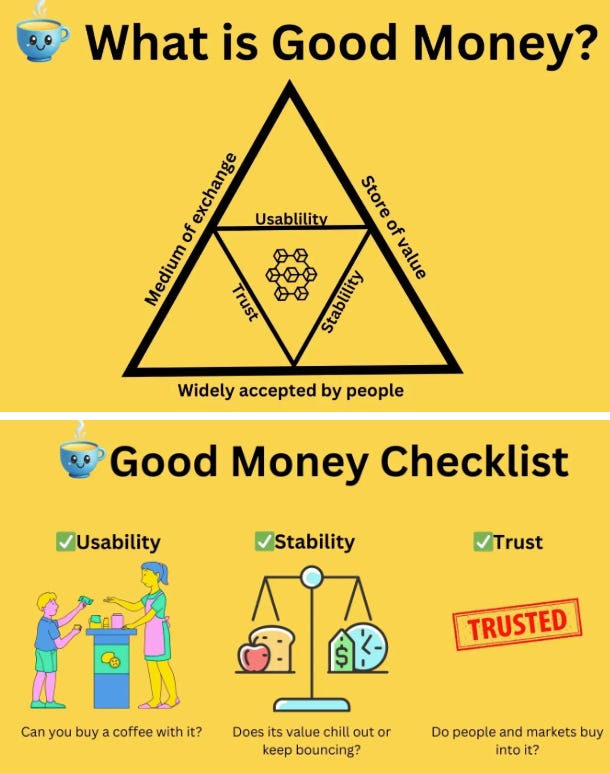
So, can memecoins ever qualify as "Good Money"?
Usability: Real-World Application?
Can memecoins be used to buy food and essentials?
Not really.
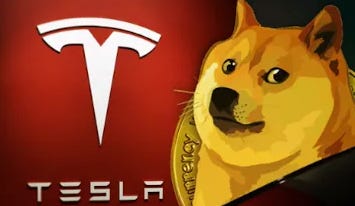
Tesla made headlines by accepting Dogecoin as payment for select merchandise in its online shop. However, purchases are limited to smaller items like the Cyberwhistle ($57–60), Giga Texas Belt Buckle ($154–160), and Cyberquad for Kids ($2,284–2,320). Major products like the Cybertruck or Model 3 cannot be purchased with Dogecoin.
Stability: Can It Work?
Are memecoin prices stable? Can people rely on memecoins to store value?
Take OG memecoin PEPE.
The price has fluctuated dramatically, ranging from 0.000026 at its peak to 0.000000491 at its lowest—a difference of about 53 times.
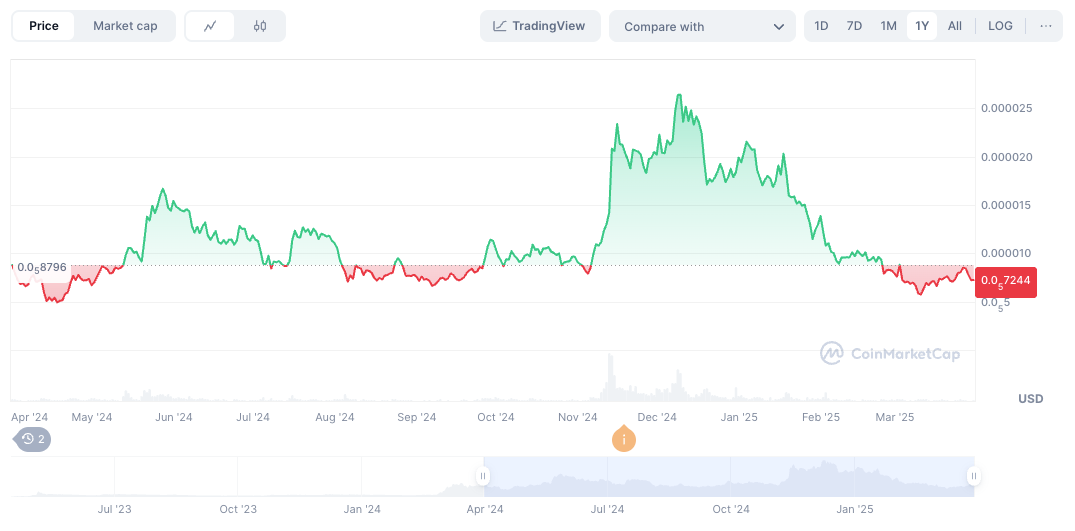
With prices dropping near zero and such extreme volatility driven by speculation, memecoins currently face major challenges in becoming a reliable store of value.
Trust: Community-Driven Value?
Memecoins, at their core, are defined by community values. This began with Dogecoin, created by a group who turned their playful mockery of Bitcoin into a movement that others eagerly supported.
Memecoins like $TRUMP transform purchasing into belief—effectively becoming digital votes for a cause, with rewards flowing back to loyal supporters through airdrops.
When a community truly believes in something and backs it financially, a memecoin can emerge. However, the key question remains: can this community-based trust endure over time?
Could a single memecoin emerge as the ultimate winner?
Could there be a winner among all the memecoins?
Yes, as long as the criteria are met strictly.
A winning memecoin needs
a devoted community that believes in it,
sustainable real-world use cases that endure,
and a fixed supply that maintains stability.
Among the three criteria of Good Money, Trust stands above all—without a strong community, any coin will eventually fade away.
Such a winning memecoin might emerge sooner than we think.
Earlier articles in the series Denationalized Currency in the Age of Blockchain and AI
#1 You Don't Need to Be a Government to Create Money
#3 The State of Money Today (1) Fiat — Is Fiat Good Money?