

Hello dear TEA-mates!
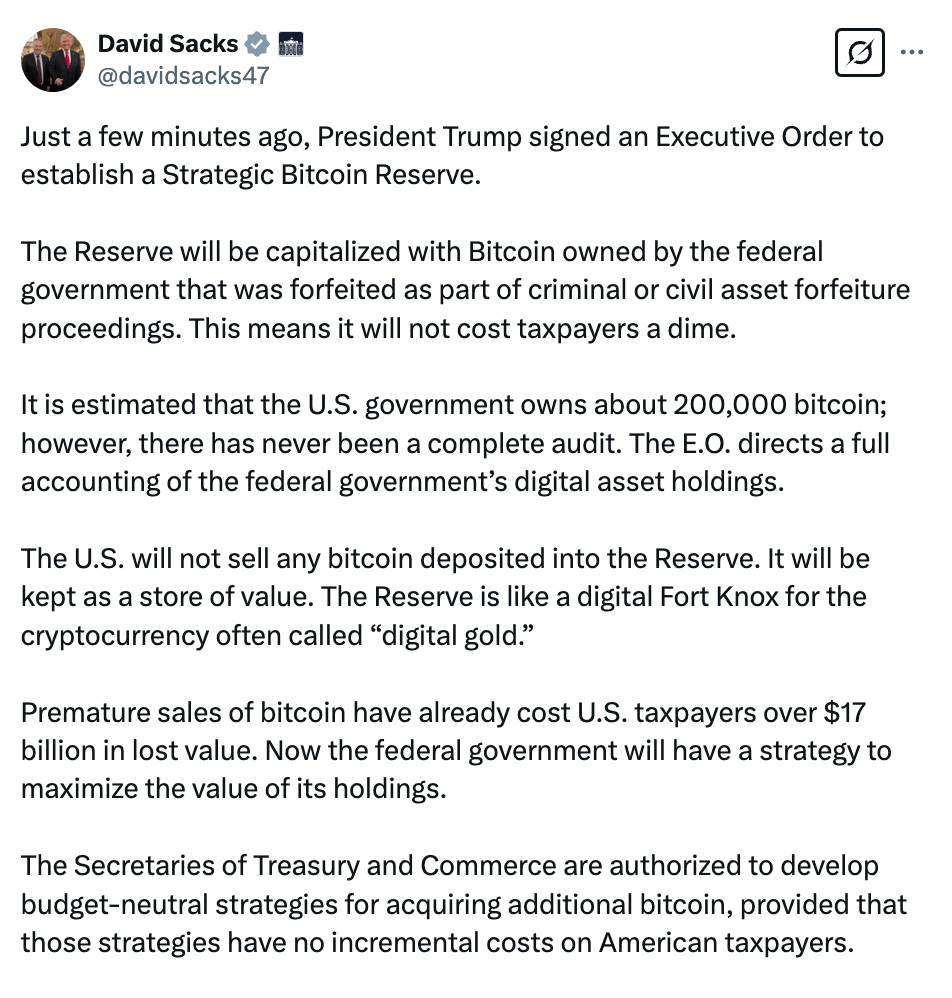
Today we're going to dig deeper into Bitcoin and evaluate it using our Good Money Checklist. The timing couldn't be better—just yesterday, President Trump signed an Executive Order to create the Strategic Bitcoin Reserve and Digital Asset Stockpile, and today, March 7, marks the first-ever crypto summit.
Alright, let's dive right in.
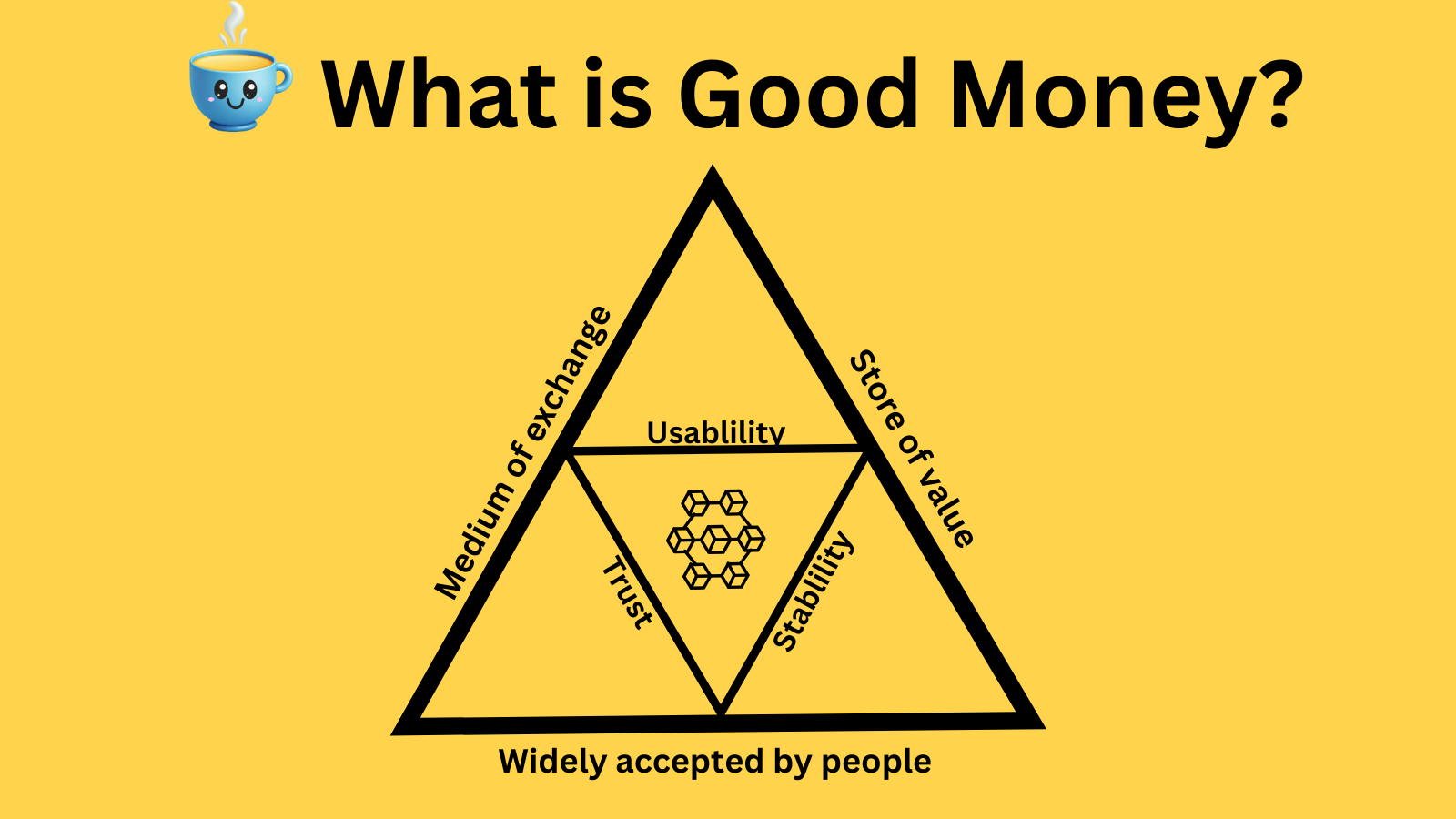
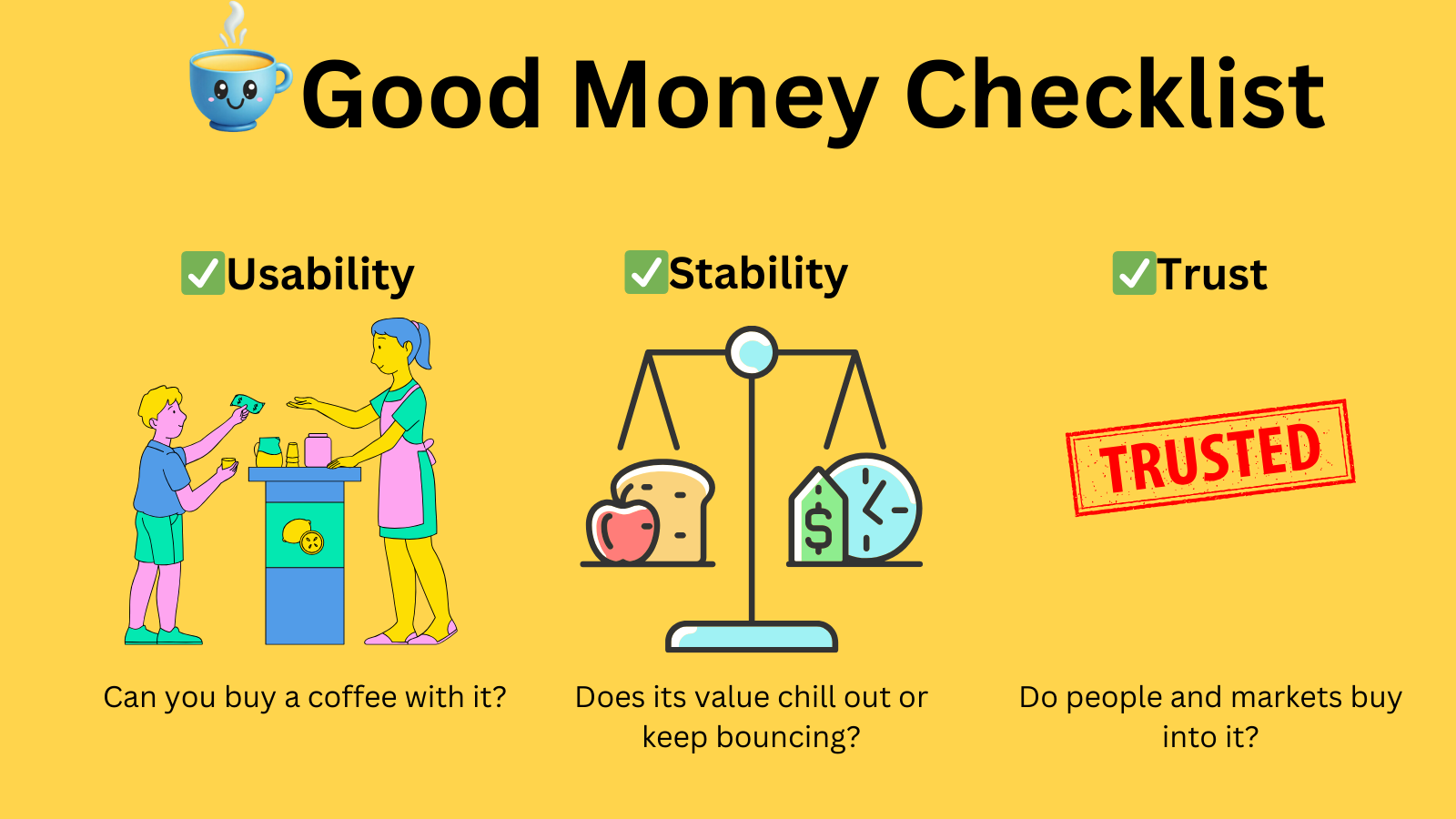
A quick review of what a Good Money is like:
First, let's examine how Bitcoin is typically defined.
Perplexity explains Bitcoin as
"Bitcoin is a decentralized digital currency introduced in 2008 by an anonymous developer or group of developers using the pseudonym Satoshi Nakamoto. It operates without the control of any government or central bank, relying on a global network of users who maintain its operations via a digital ledger called a blockchain."
According to Investopedia, Bitcoin is:
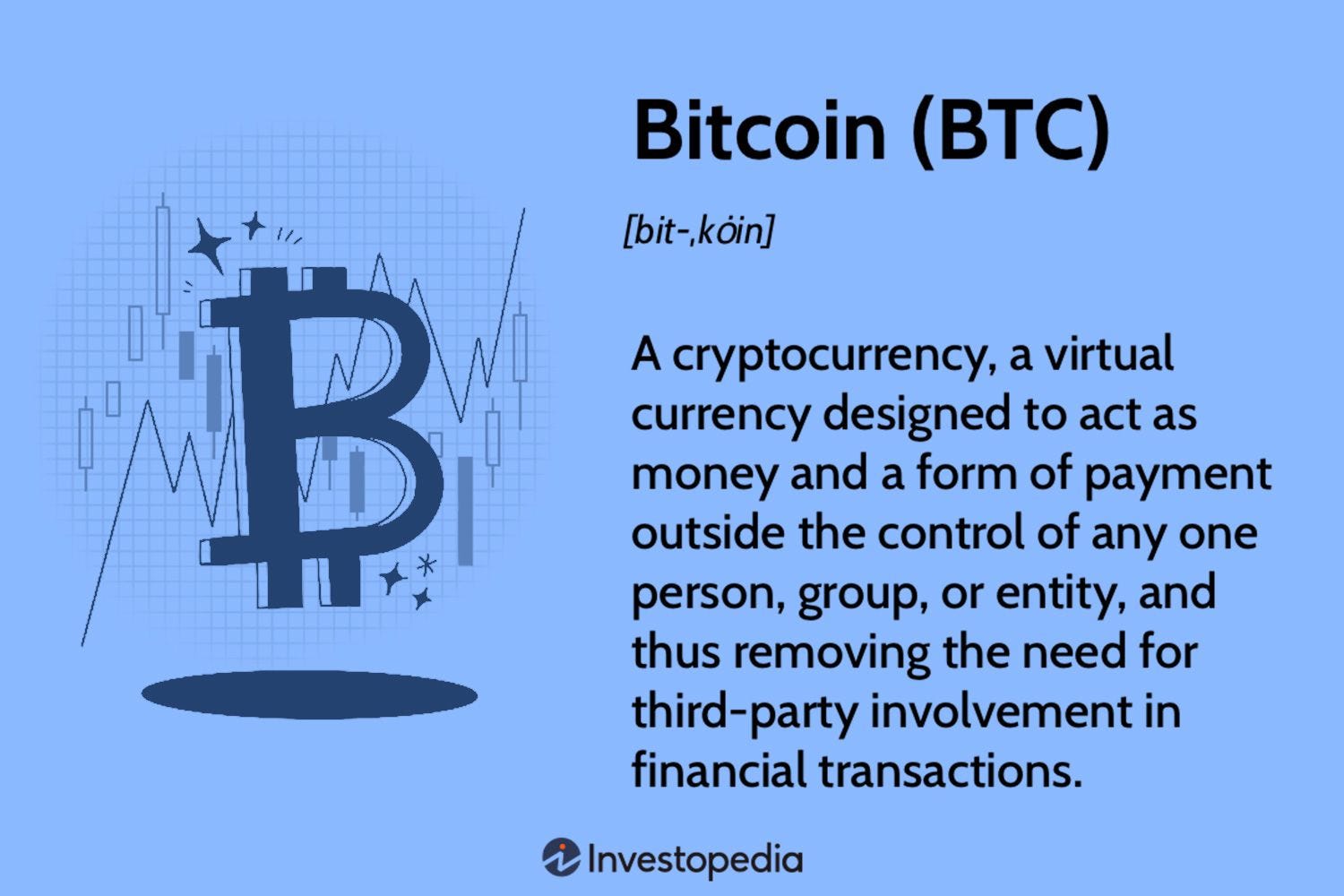
The key elements from these Bitcoin definitions can be summarized as:
decentralized
without government or any entity's control
acts as money and a form of payment
Based on these characteristics, how does Bitcoin measure up against our Good Money standard and checklist?
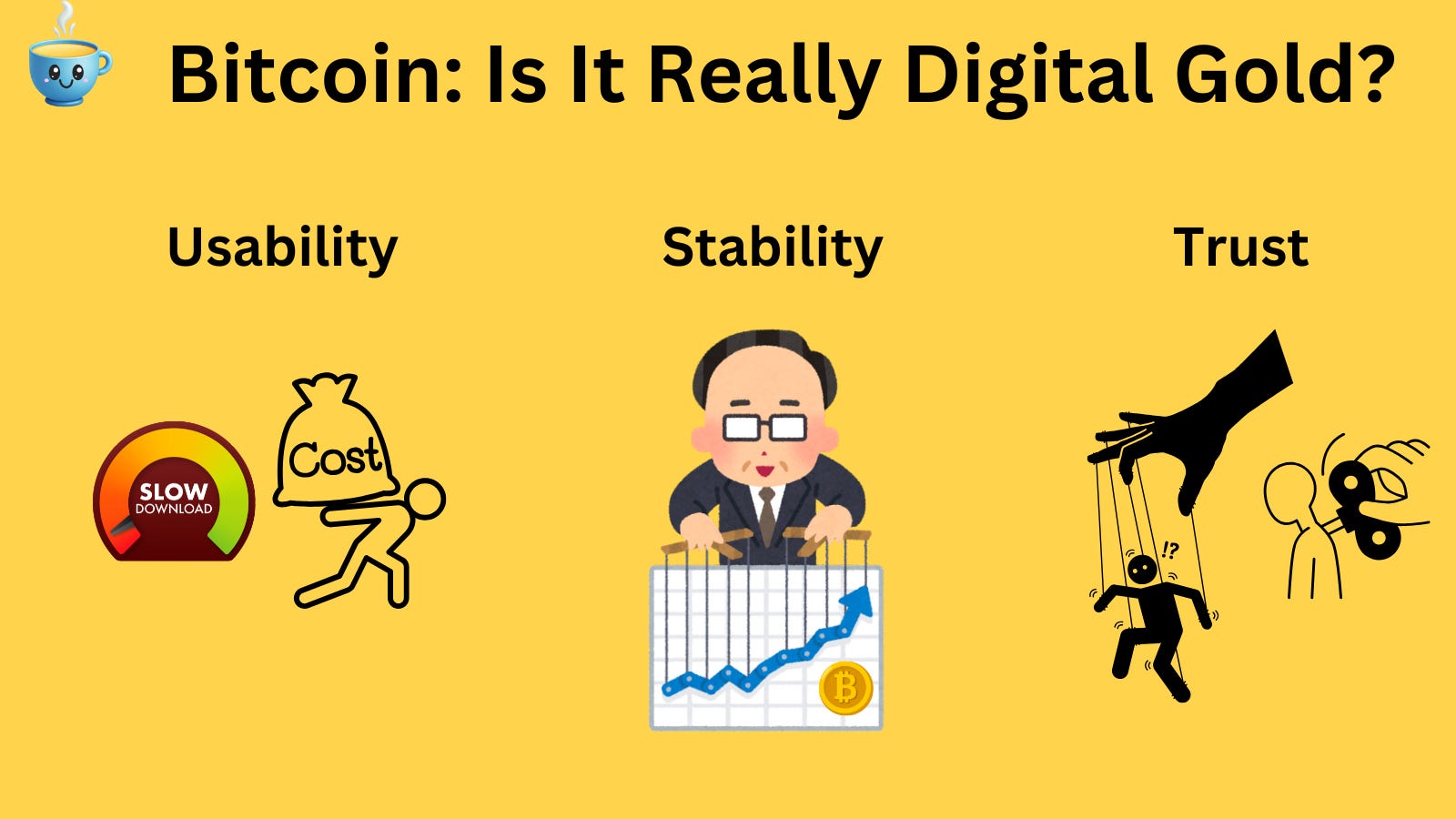
Bitcoin’s Usability: YES and NO.
Bitcoin’s Usability Pros:
Major companies like Microsoft and AT&T accept Bitcoin payments.
Countries including El Salvador and the Central African Republic have accepted Bitcoin as legal tender.
Bitcoin’s Usability Cons:
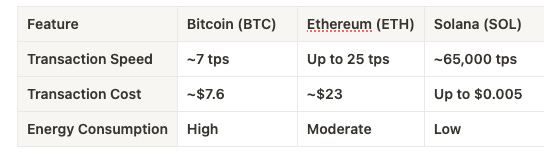
High transaction fees
Slow network speed—only 7 transactions per second (tps)
Limited decentralized finance (DeFi) presence
Bitcoin's Trust: A Critical Look
Governments and companies globally show increasing trust in Bitcoin:
Trump signed an EO to create the Strategic Bitcoin Reserve and Digital Asset Stockpile.
12 US states hold a total of $330M stake in Saylor's Strategy
Abu Dhabi wealth fund climbs Bitcoin ETF leaderboard flexing $460m stake
Utah and Arizona are spearheading initiatives toward a BTC Strategic Reserve. https://x.com/marcarjoon/status/1887495029515538879
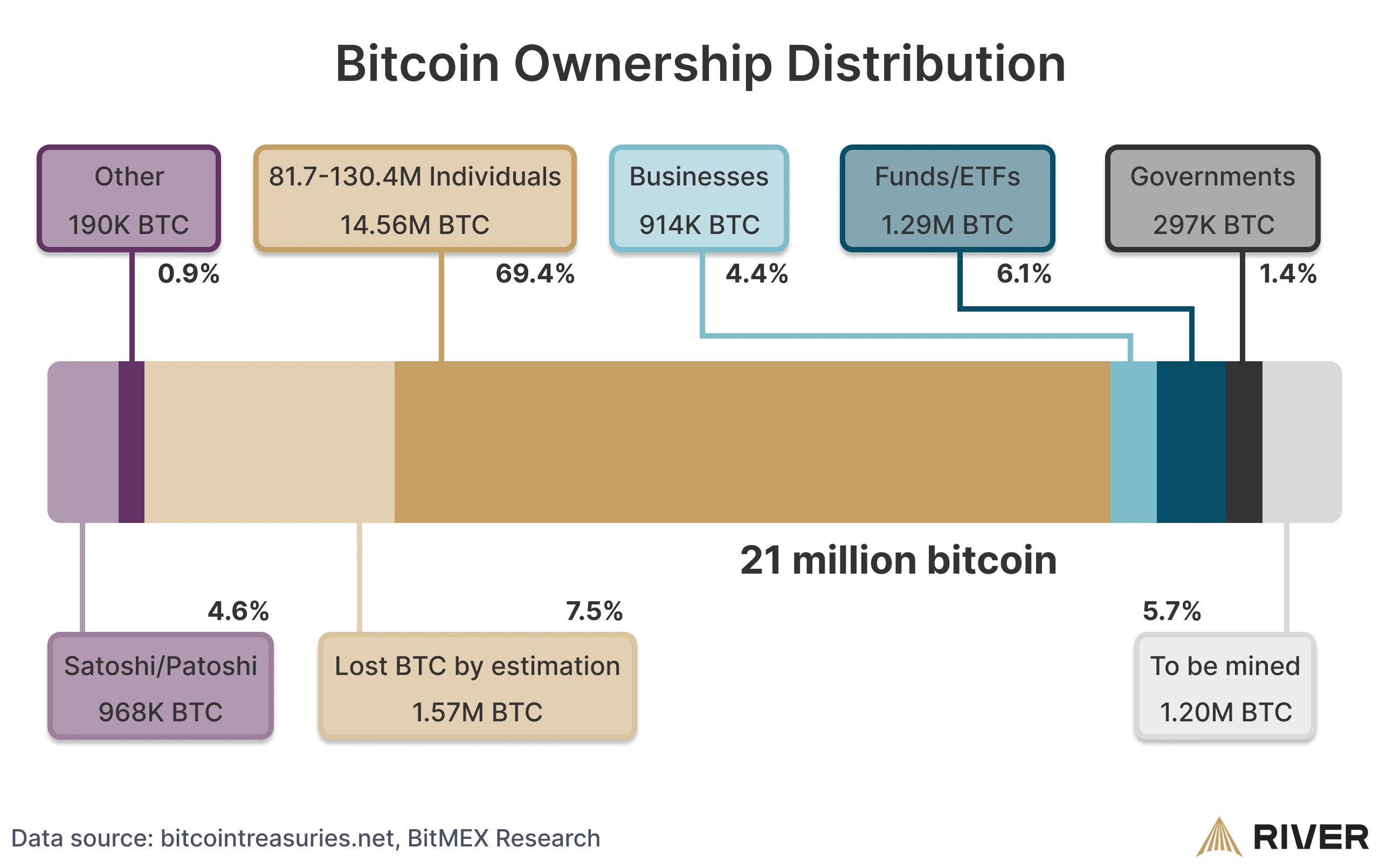
Top Governments with Highest Bitcoin Holdings In 2025 (Note: This data requires verification but provides interesting insights)
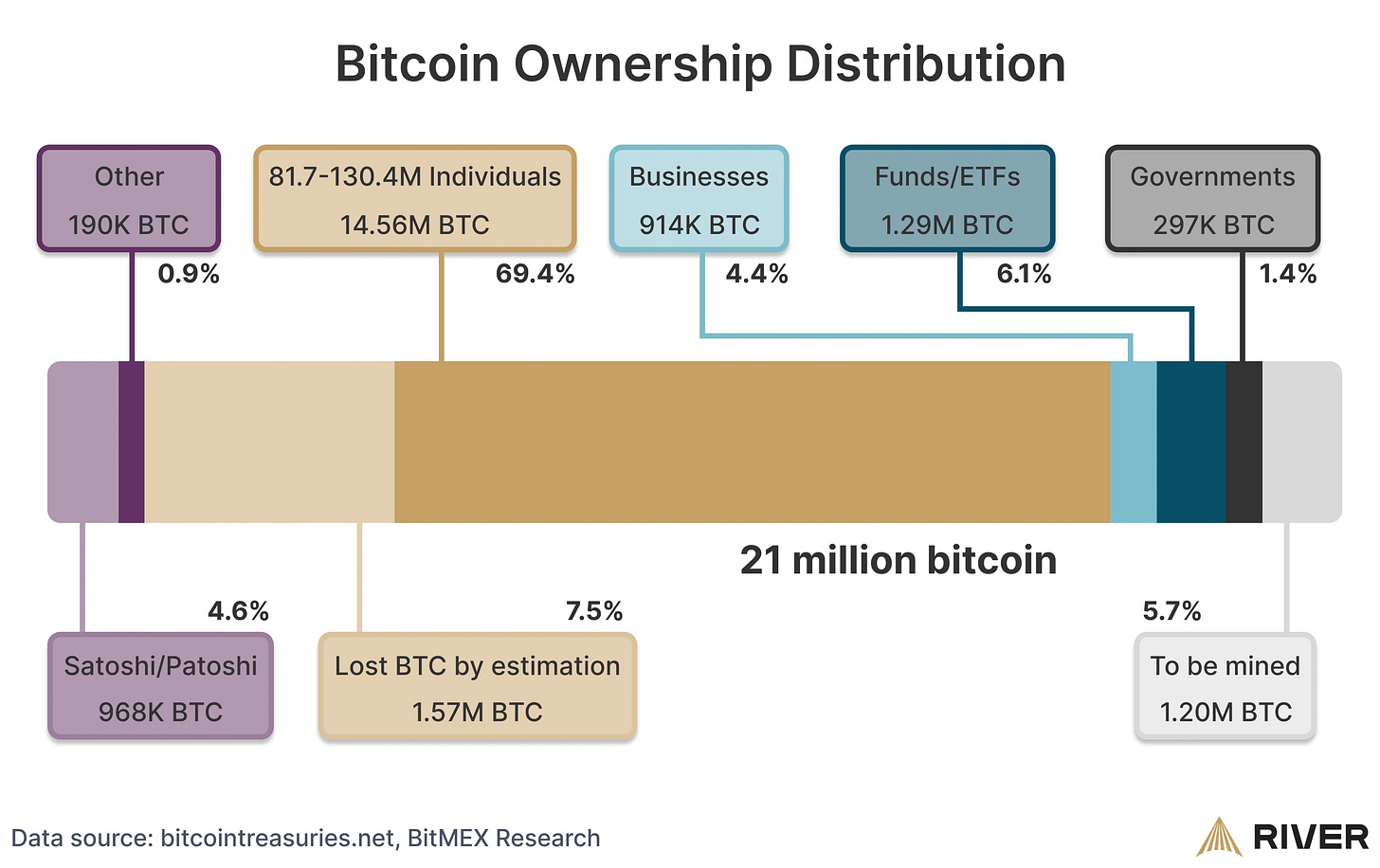
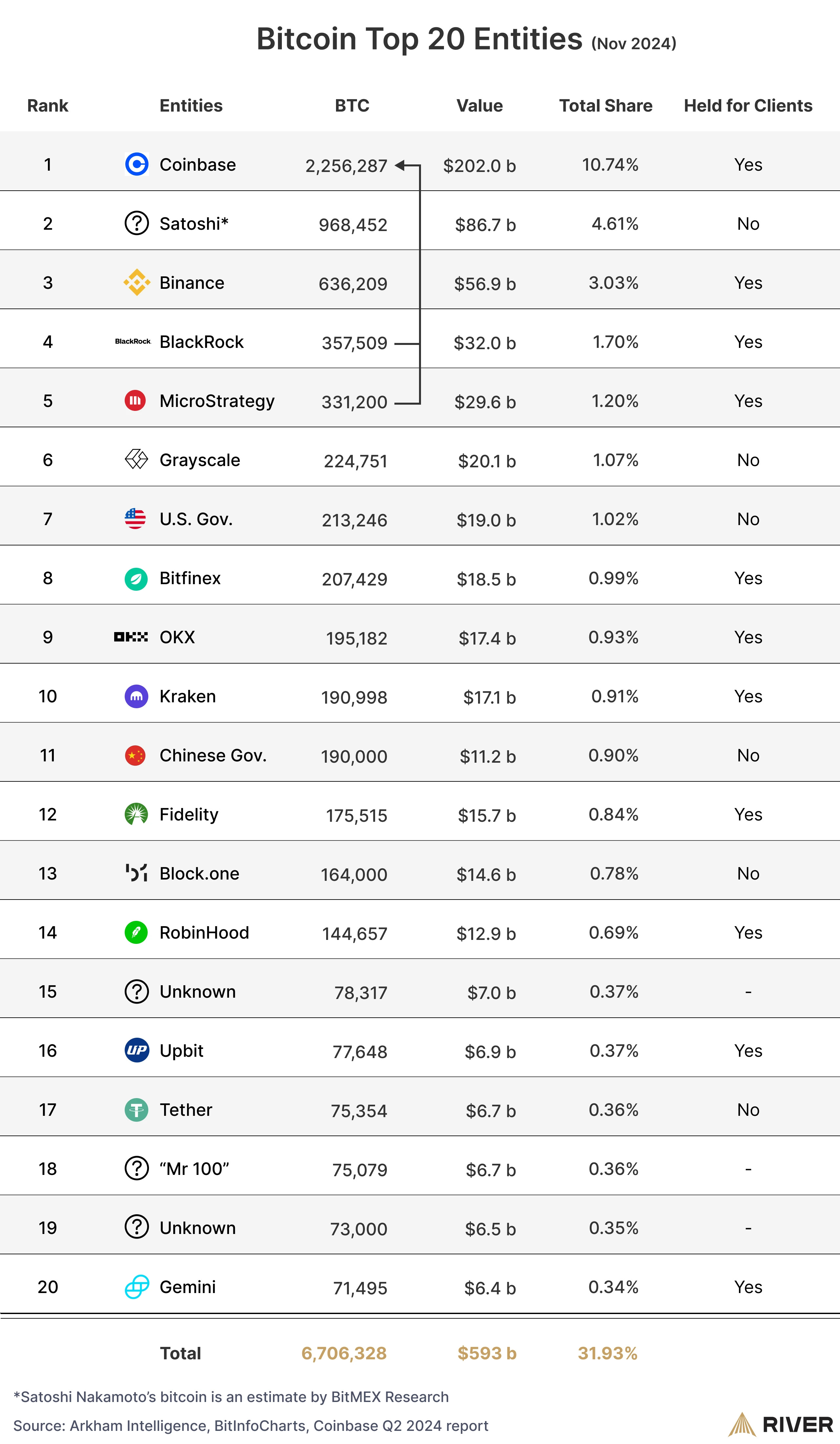
However, significant concerns remain: 95% of Bitcoin is held by unknown entities. Despite seemingly stable prices, evidence suggests possible market manipulation.
Several key questions need addressing:
How can we verify the 21 million Bitcoin cap? As quantum computing advances, how long will Bitcoin's cryptography remain secure?
Who controls the anonymous wallets holding most Bitcoin?
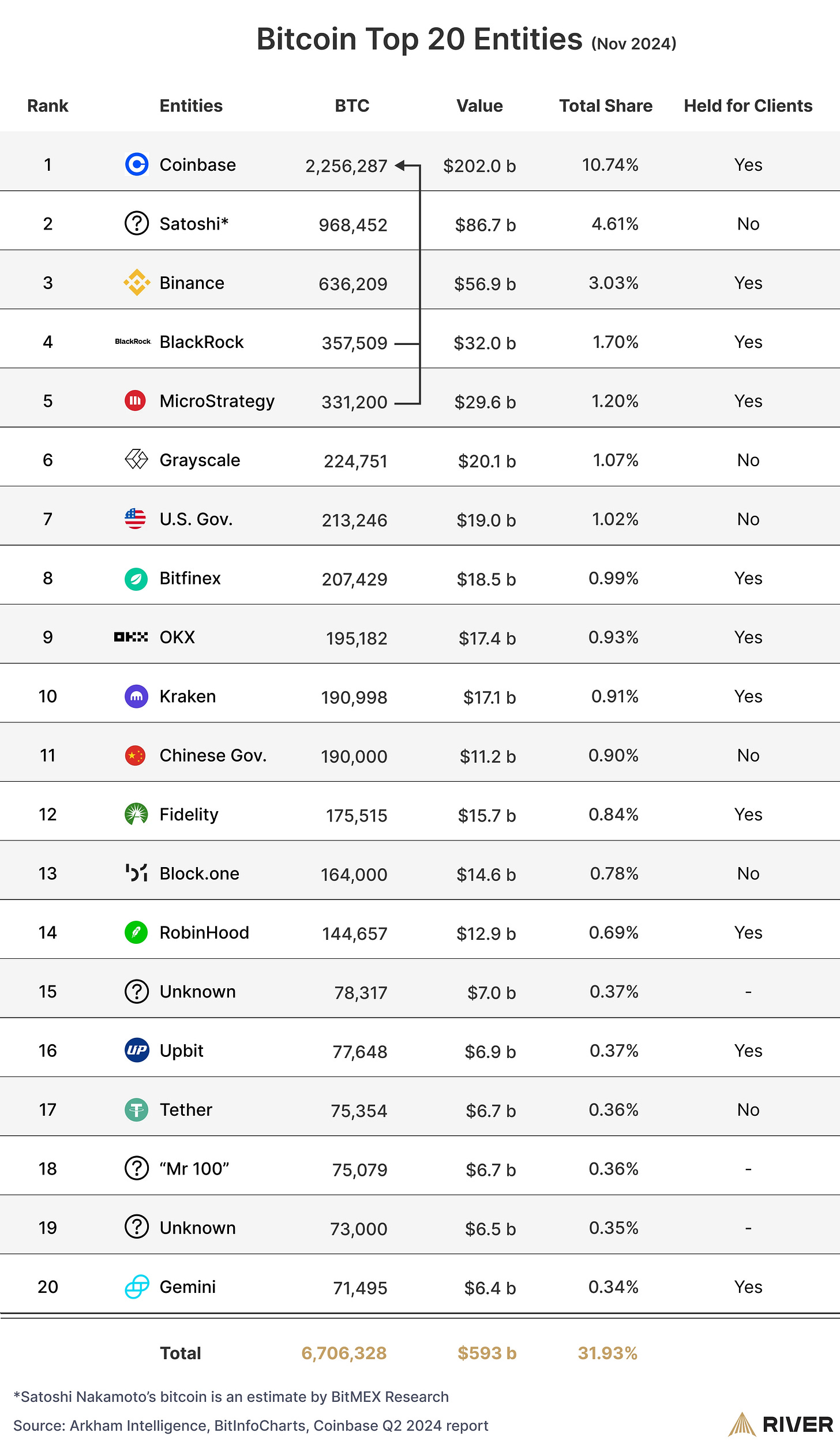
Could various entities be controlled by a single group, such as the CCP?
While Bitcoin's governance requires consensus from nodes to change protocols, how can we verify these nodes are truly independent and not controlled by coordinated groups?
Bitcoin’s Stability: Questionable
If Bitcoin is largely controlled by unknown groups, they could potentially manipulate both its supply and circulation, directly affecting its price. This raises serious questions about its stability.
The claim of a 21 million Bitcoin cap, as stated in the White Paper, remains unverifiable. Without proper verification, there's potential for undetected increases in supply, which could destabilize the currency.
Unlike gold, Bitcoin isn't backed by a physical commodity. Without intrinsic value, its price could theoretically drop to zero.
Let's wrap up here.
Next week, we'll analyze Ethereum and assess whether it meets our criteria for good money. During these uncertain times, it's essential to return to the basics and thoroughly examine fundamental questions. By using first-principles thinking, as they say, we can maintain our focus on what truly matters.
Till then, Cheers!
Earlier articles in the series Denationalized Currency in the Age of Blockchain and AI